
When my family relocated to Wellington, Florida from the suburbs of Chicago in 2001, besides my parents I did not know a single person here. I had a toddler, two pets, and a list of questions I did not even know how to ask yet. What were the schools really like? Which neighborhoods would fit how we actually lived? What would this cost us beyond the home price? I figured it out, but it took longer than it needed to.
That experience is why I wrote this guide. I have been a Wellington resident and Realtor since 2001, and I have helped hundreds of buyers navigate a relocation to this village. The questions are almost always the same. This page answers them directly, with the kind of detail that only comes from more than two decades of living and working here.
If you are still deciding whether Wellington sounds like the right fit for your family, start here first: Moving to Wellington Florida? 8 Reasons You’ll Love Living Here. When you are ready to plan the actual move, this is the page to bookmark.
Where Is Wellington, Florida?
Wellington is a village in western Palm Beach County, roughly 15 miles west of downtown West Palm Beach and about 25 to 35 minutes from the Atlantic coast depending on your route and time of day. It is one of the largest villages in Florida by population, with approximately 61,000 residents spread across 31 square miles of planned neighborhoods, parks, and equestrian facilities.
For relocation buyers, the location strikes a balance that is hard to find in South Florida. You get a suburban, family-oriented community with well-established neighborhoods, but you are close enough to West Palm Beach, Boca Raton, and Palm Beach International Airport to make city amenities, employment, and travel genuinely accessible.
Key driving distances from Wellington:
- West Palm Beach: approximately 15 miles east
- Palm Beach International Airport: approximately 20 minutes
- Boca Raton: approximately 25 miles south
- Fort Lauderdale: approximately 50 miles south
- Miami: approximately 70 miles south
- Atlantic coast beaches: approximately 25 to 35 minutes depending on destination
U.S. Route 441 (State Road 7) runs north to south through Wellington and serves as the primary commercial and commuter corridor. Forest Hill Boulevard and Lake Worth Road are the main east-west connectors. If you are commuting outside Wellington, test your route during school drop-off hours and during peak equestrian season, which runs roughly November through April. Traffic patterns change noticeably during those months, particularly near SR 7 and the equestrian venues.
What Wellington Is Known For
Wellington holds the title of Equestrian Capital of the United States, and that reputation is earned. The Winter Equestrian Festival and the Palm Beach International Polo season draw competitors and spectators from around the world each year. If you ride or follow the sport, there is nowhere else quite like it.
But the majority of Wellington’s 61,000 residents experience the village as a planned suburban community centered on schools, parks and playgrounds, and family life. Equestrian properties make up a small fraction of total inventory. Most relocation buyers end up in single-family home communities, gated neighborhoods, townhome communities, or condos that have nothing to do with horses. The equestrian culture shapes the seasonal energy and gives Wellington a unique character, but it is not what most people are buying into on a daily basis.
What has stayed consistent since I moved here in 2001 is the sense of organization. Wellington was built intentionally, and it shows. Neighborhoods connect to parks, shopping, and schools in a way that makes daily routines manageable. That predictability is one of the reasons relocation buyers from denser or less planned areas consistently say Wellington exceeded their expectations once they settled in.
Cost of Living in Wellington (2026)
Wellington costs more than many parts of Florida and more than the national average. That is worth saying plainly before you fall in love with a neighborhood, because the sticker price of a home is only one part of the monthly picture. Here is how the major cost categories break down for 2026.
Housing
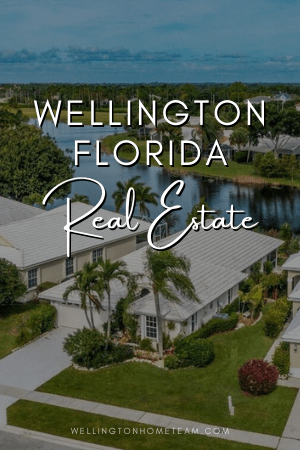
Single-family home prices in Wellington currently range from roughly the mid $500,000s for smaller or older homes in non-gated communities to well over $1 million for larger homes in guard-gated neighborhoods with updated features. Equestrian properties and luxury estate homes extend into the multi-million dollar range. Condos and townhomes offer lower entry points, typically starting in the mid $200,000s to $400,000s depending on location and condition.
The range within Wellington is wide enough that two buyers with very different budgets can both find something here. What changes is neighborhood type, lot size, community amenities, and commute convenience to schools or employment. A local agent who knows Wellington neighborhood by neighborhood is essential for making that comparison efficiently.
Rental pricing for single-family homes typically ranges from approximately $3,500 to $6,000 per month, with higher-end properties going well above that. Rental inventory fluctuates seasonally, and peak equestrian season tends to tighten availability and push prices up, particularly for larger homes.
Homeowners Insurance
This is the cost category that surprises out-of-state buyers most often, and it is the one I spend the most time discussing with relocation clients. Homeowners insurance in South Florida is expensive, and Wellington is no exception. Premiums vary significantly based on roof age, construction type, storm protection features, and the carrier’s appetite for the property.
A home with a newer roof, CBS construction, and accordion shutters or impact windows will generally be insurable at a more predictable cost. A home with an aging shingle roof and no storm protection will face higher premiums, fewer carrier options, or both. I always tell buyers to get insurance quotes before finalizing an offer, not after. Waiting until the final stretch creates timeline pressure and can produce budget surprises that are difficult to absorb.
Property Taxes
Every home listed for sale in Wellington will show the seller’s current property tax bill. Do not use that number to build your budget. When a property changes ownership, the assessed value is updated and exemptions can change. The result is that a buyer’s annual tax bill is often significantly higher than what the previous owner paid.
Here is a real example of how this plays out: a seller pays $3,000 per year in property taxes, which has been kept low by years of homestead exemption and Save Our Homes assessment caps. After purchase, the property is reassessed based on the sale price and the new owner’s exemption status. The new tax bill comes out to $9,000 per year. If the buyer’s mortgage escrow was based on the old bill, an escrow shortage develops and the monthly payment increases unexpectedly mid-year.
A rough planning figure is to budget approximately 2% of the purchase price annually for property taxes, though the actual number depends on the specific property and your exemption status. Palm Beach County Property Appraisers website has a “property tax calculator,” which will provide what the estimated taxes will be for a specific property.
HOA Fees
Not all Wellington neighborhoods have an HOA, but many do, and the range is wide. Some communities have modest fees that cover common area maintenance only.
Others include cable, internet, lawn care, security, and resort-style amenities, and the monthly cost reflects that. In guard-gated communities with staffed entrances and clubhouse facilities, HOA fees can be several hundred dollars per month or more.
HOA rules also vary significantly. Pet policies, leasing restrictions, parking rules, exterior modification approvals, and special assessment risk all differ by community. If HOA lifestyle is important to you in either direction, it is worth reviewing the documents and understanding what you are agreeing to before you close. I have seen buyers fall in love with a home only to discover the HOA rules conflict with how they planned to use the property.
Utilities
For utilites in Wellington water is billed separately and is not included in property taxes or HOA fees. Most condo communities include water in the condo fee, which is worth confirming when comparing properties.
Electric costs are driven heavily by air conditioning, which runs longer here than in most of the country. Summer months from June through September will push electric bills higher than you may be used to, particularly in larger homes or homes with older HVAC systems. A home with newer windows, updated insulation, and a high-efficiency AC unit will cost meaningfully less to cool than an older home with original systems. This is another line item worth factoring into your budget before you commit to a purchase price.
Wellington Florida Neighborhoods and Housing Types
Wellington has more variety than most relocation buyers expect. The equestrian reputation can make people assume the village is mostly luxury estates, but that is not an accurate picture of the day-to-day inventory. Here is how the major housing categories break down.
Single-Family Home Communities
Single-family homes make up the majority of Wellington’s residential inventory and come in an enormous range of price points, sizes, and community types. You will find non-gated neighborhoods with larger lots and fewer restrictions, guard-gated communities with staffed entrances and shared amenities, and everything in between. Some of the most consistently in-demand neighborhoods include Olympia, Versailles, Isles at Wellington, and Pinewood Grove, but buyer priorities vary and the right fit depends on lifestyle and daily routine more than any ranking.
Townhomes and Condos
Townhome and condo communities offer a lower entry point and often a more maintenance-friendly lifestyle. These options appeal to buyers who want to spend less time on exterior upkeep, those relocating to Wellington seasonally, and buyers who want access to Wellington’s schools and parks at a lower price point. Wood-frame construction is more common in condo and townhome communities than in single-family neighborhoods, which is worth knowing because it can affect insurance costs and maintenance expectations.

Gated and Guard-Gated Communities
Wellington has a significant number of gated communities, ranging from staffed 24-hour guard-gated neighborhoods with full amenity packages to manned-gate communities with more modest infrastructure. Buyers who want consistent exterior standards, controlled access, and community amenities often gravitate toward these neighborhoods. The tradeoff is a higher monthly cost from HOA fees and, in some communities, a longer approval process for purchases or rentals.
Non-HOA Communities
Wellington also has non-HOA and limited-HOA neighborhoods for buyers who want fewer restrictions, more flexibility with exterior use, and lower monthly overhead. These areas tend to have larger lot sizes and attract buyers who want space without the structure of a managed community.
Equestrian Properties
For buyers relocating specifically for the equestrian lifestyle, Wellington offers farm properties, acreage parcels with barn facilities, and communities designed around horses. This is a specialized segment of the market with its own logistics, zoning considerations, and facility requirements. If this is your priority, the search process looks meaningfully different from a standard residential relocation.
Browse communities by type: Wellington Florida Communities
- Single-Family Home Communities
- Townhome Communities
- Condo Communities
- Luxury Estate Home Communities
- Active Adult 55+ Communities
- Equestrian Estates and Farms
- Wellington Gated Communities
- Wellington Non-HOA Communities
Wellington Florida Schools
Schools are the single most common driver of relocation decisions in Wellington, and for good reason. Wellington public schools are widely regarded as among the stronger options within Palm Beach County, and families routinely prioritize school zoning when choosing which neighborhood to target.
A few things matter more than most relocation buyers initially realize. First, school zones in Wellington are address-specific. Even within the same general area of the village, two homes that look similar and are priced similarly can feed into different elementary schools. If a particular school is a priority, confirm the zoning for the specific address before you fall in love with the home.
Second, enrollment timing matters more for mid-year relocations than buyers expect. High-demand elementary zones can fill seats quickly, and some programs have waitlists. If you are relocating outside of the typical summer window, start the school research early rather than assuming availability will not be an issue.
Third, families relocating with children in multiple grade levels need to map commute routes for each school separately. What works logistically for one child’s dropoff may create a difficult morning if a sibling is at a school in a different direction.
For current school zones, enrollment details, and program information: Wellington Florida Schools
What to Know About Wellington Homes Before You Buy
Relocating from out of state means encountering building norms, terminology, and cost variables that do not exist the same way in other parts of the country. These are the details that consistently catch out-of-state buyers off guard.
CBS vs. Wood Frame Construction
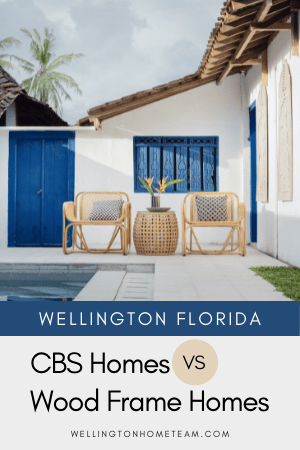
What’s the difference between CBS Home vs. Wood Frame Home in Wellington Florida? Most single-family homes in Wellington are CBS construction, which stands for concrete block stucco. CBS is the South Florida standard for single-family homes and is generally preferred for insurance purposes over wood frame. Many condo and townhome communities are wood frame, which is not automatically a problem but does affect insurance costs and the questions you ask during inspection.
One myth worth correcting: wood frame homes are not the only ones that get termites. Even CBS homes have wood components in the attic trusses and framing that can be affected. Termite inspection and ongoing prevention is a standard part of home ownership in Wellington regardless of construction type.
Roof Types and What They Mean for Your Budget
Wellington homes have four common roof types: shingle, clay tile, concrete tile, and metal. Each has different cost and lifespan implications that matter significantly for relocation buyers.
Shingle roofs typically have the shortest life expectancy and can require replacement sooner than buyers from other states expect, particularly given South Florida’s heat and storm exposure. Clay and concrete tile roofs look durable and often are, but the underlayment beneath the tile is what actually waterproofs the roof, and underlayment replacement is a major expense that arrives on a shorter timeline than the tile itself. Metal roofs can last a long time, but quality and installation vary and a metal roof is not automatically maintenance-free.
Roof age is one of the most consequential items in a Wellington home purchase because it directly affects insurance availability, premium costs, and your long-term budget. A thorough inspection by a qualified Florida roof inspector is worth every dollar for any relocation buyer.
Storm Protection
Wellington is in a hurricane-risk area, and storm protection matters both for safety and for insurance costs. Not every home in Wellington has the same level of protection, and the type of protection affects how convenient storm preparation is and what your insurance options look like.
The most common types are hurricane panels (stored in the garage and bolted on when needed, time-consuming especially for two-story homes), accordion shutters (permanently attached and easy to close, but require maintenance), and impact windows (the most convenient option, quieter and more energy-efficient, but the most expensive to install or replace). When reviewing a home, it is worth understanding exactly what protection is in place and factoring that into both your insurance quotes and your realistic storm prep picture.
Living Square Footage vs. Total Square Footage
In Wellington, listings often show two square footage numbers: living square footage, which is the air-conditioned interior living space, and total square footage, which includes everything under the roofline such as the garage, covered patios, and covered entries. Some listing platforms show both numbers, some show only one, and inconsistencies across listings can make comparisons confusing. Always confirm which number a listing is using before drawing comparisons between homes.
Relocating to Wellington: Practical Planning Timeline
Relocation buyers who plan ahead consistently have smoother transactions than those who compress the timeline. Here is what experience has taught me about the variables that slow moves down or create budget surprises when buyers are not prepared for them.
HOA approval timelines. Many Wellington communities require buyer applications, board reviews, and approval periods before a purchase closes or a tenant takes occupancy. These timelines can range from a few days to several weeks depending on the community. If you have a firm relocation date driven by a job start or a school year, your contract timeline needs to account for HOA approval or you risk a misalignment between closing and move-in.
Insurance coordination. As mentioned above, get insurance quotes early in the process, ideally as soon as you identify a home you are serious about. Roof age and construction type can create scenarios where insurance takes longer to bind or requires specific documentation that adds time to the closing timeline.
Seasonal demand affects availability. Peak winter months from roughly November through April bring increased buyer competition, tighter rental inventory, and higher demand near equestrian venues. If your relocation timeline is flexible, late spring through early fall tends to be a more balanced time to search, though inventory is lower in summer months as well.
Renting first is a legitimate strategy. A number of my relocation clients choose to rent for six to twelve months before purchasing. This gives them time to learn which neighborhoods actually fit their daily routine, confirm school zone fit for their children, and understand commute patterns before committing to a purchase. It is not the right move for everyone, particularly buyers who want to lock in a rate and start building equity, but it is a reasonable approach when uncertainty is high.
Climate and Weather: What to Expect
Wellington has a tropical South Florida climate, and it feels meaningfully different from most of the country in both directions. The winters are one of the biggest quality-of-life draws for people relocating from the northeast and midwest, and the summers require adjustment from anyone coming from a cooler region.
From roughly November through April, Wellington weather is genuinely excellent for outdoor life. Temperatures are comfortable, humidity is manageable, and the ability to be outside year-round is one of the lifestyle advantages residents mention most consistently. This is the season that makes people want to move here.
From June through September, temperatures regularly reach the high 80s to mid-90s with significant humidity. Afternoon thunderstorms are a daily pattern during these months, typically brief but intense. Air conditioning is not optional in Wellington; it is a utility. If you are coming from a place where you rarely ran AC, expect a higher summer electric bill than you are used to and factor that into your housing budget.
Storm season runs June through November, with the most active period typically in late summer and early fall. Wellington is inland compared to coastal communities, which provides some buffer, but preparation still matters. When buying, roof condition, storm protection, drainage, and exterior maintenance are all practical considerations that affect both your safety and your long-term costs.
Wellington Florida Real Estate Market Overview (2026)
Wellington’s real estate market is driven by lifestyle demand and constrained supply. The village has limited available land compared to faster-growing areas in Palm Beach County, which supports long-term value but also means buyers compete for well-positioned properties when they come available.
Market pace varies significantly by neighborhood and price point. Updated homes in desirable school zones and guard-gated communities can move quickly when priced accurately. Properties with deferred maintenance, older roofs, insurance challenges, or layout issues that do not match current buyer preferences can sit longer regardless of neighborhood reputation.
In 2026, remote and hybrid work continue to influence what buyers prioritize. Home office space, daytime neighborhood quiet, and access to main roads without a single-employer commute have become more important in how buyers narrow their search. Wellington’s suburban layout and strong park and recreation infrastructure appeal to this buyer profile.
For current market trends and community-level data: Wellington Florida Market Reports
Ready to search current inventory: View Wellington Florida Homes for Sale
Pros and Cons of Relocating to Wellington, Florida

Every relocation involves tradeoffs, and Wellington is no exception. Here is an honest look at both sides based on what I hear consistently from buyers who have made the move.
Pros
- Strong public schools with consistent reputation within Palm Beach County
- Planned, well-maintained neighborhoods with organized infrastructure
- Extensive park system, recreation programs, and community events calendar
- Wide variety of housing types and neighborhood styles at different price points
- World-class equestrian culture and seasonal energy unique in the U.S.
- Convenient access to Palm Beach International Airport, beaches, and West Palm Beach
- No Florida state income tax, which matters for buyers coming from high-tax states
- Homestead exemption and Save Our Homes cap provide long-term property tax stability once established
Cons
- Homeowners insurance costs can be a significant monthly variable, particularly for homes with older roofs
- Property taxes will almost certainly increase after purchase due to reassessment
- Car dependency is a reality; Wellington is not a walkable community for daily errands
- Summer heat and humidity require genuine adjustment for buyers from cooler climates
- Seasonal traffic during peak equestrian months increases congestion on SR 7 and surrounding roads
- Cost of living is higher than many parts of Florida and the national average
- Wellington is about 25 to 35 minutes from the beach, which can feel further than buyers expect when making it a regular trip
Frequently Asked Questions About Relocating to Wellington, Florida
Is Wellington, Florida a good place to live?
Wellington consistently ranks among the more desirable communities in Palm Beach County for families, and it has appeared on national best-places-to-live lists. Strong schools, well-kept neighborhoods, a family-friendly park and events calendar, and an active community atmosphere are the most common reasons buyers choose it. The cost of living is higher than many areas, but most long-term residents consider the tradeoff worthwhile.
How expensive is it to live in Wellington, FL?
Wellington is more expensive than much of Florida and above the national average for cost of living. Housing is the largest variable, ranging from the mid $400,000s to multi-million dollars depending on property type and neighborhood. Beyond the home price, homeowners insurance, property taxes after reassessment, HOA fees, and air conditioning costs are the line items that most often surprise out-of-state buyers. Budget for all of them before you commit to a purchase price.
What are the best neighborhoods in Wellington, FL for families?
The answer depends significantly on school priorities, lifestyle preferences, and budget. Olympia, Versailles, and Isles at Wellington are frequently mentioned by families for their combination of community amenities, school zoning, and neighborhood feel. Non-gated communities with larger lots appeal to buyers who want more space and fewer restrictions. The best fit comes down to your daily routine more than any ranking, and a conversation with a local agent who knows the neighborhoods from the inside is worth far more than a list.
Should I rent before buying in Wellington?
Renting first makes sense if you are new to South Florida, uncertain about which neighborhood fits your routine, or want to confirm school zone and commute patterns before committing to a purchase. It also gives you time to understand the insurance and ownership cost picture at ground level. Buying immediately makes sense if you already have clarity on what you want, you are prepared for the full monthly payment including taxes and insurance, and your timeline aligns with available inventory.
How far is Wellington from the beach?
Most Wellington residents are 25 to 35 minutes from Atlantic coast beaches depending on destination and time of day. Lake Worth Beach, Palm Beach, and Boynton Beach are among the closest options. The drive is comfortable but it does mean the beach is a planned outing rather than a spontaneous one for most residents.
How far is Wellington from Palm Beach International Airport?
Palm Beach International Airport is approximately 20 minutes from most Wellington neighborhoods, which is genuinely convenient for frequent travelers and for families who expect regular out-of-state visitors.
Do I need a car to live in Wellington?
Yes. Wellington is a car-dependent community. Most errands, school trips, and commutes require driving, and there is no meaningful public transit infrastructure for day-to-day use. If you are relocating from a city where you relied on transit or walkability, this is an adjustment worth anticipating.
When is the best time of year to relocate to Wellington?
Late spring through early summer tends to be a reasonable window for buyers who want less competition than peak winter season without the inventory lows of deep summer. If you have flexibility, avoiding the November through April peak period can mean more negotiating room and a less compressed timeline. That said, the right time to move is when the right home is available and your own circumstances allow it.
What is the property tax rate in Wellington, FL?
Wellington is in Palm Beach County, and property taxes are based on assessed value combined with applicable exemptions. A rough planning figure is roughly 2% of purchase price annually, but the specific number varies by property. More importantly, the seller’s current tax bill is almost never what a new buyer will pay after reassessment. Always project your own post-purchase tax picture rather than relying on the prior owner’s rate.
What is the equestrian season in Wellington, and how does it affect daily life?
Wellington’s equestrian season runs roughly from January through April, with the Winter Equestrian Festival and Palm Beach Polo season drawing significant activity to the village. During this period, traffic increases on SR 7 and near the showgrounds, restaurants are busier, and the overall energy of the village picks up noticeably. For residents who enjoy the social scene and events, it is one of the highlights of the year. For residents who prefer a quieter pace, it is worth knowing that the seasonal influx is real and affects daily commute times and restaurant wait times for several months.
Final Thoughts
Relocating to Wellington is not just a housing decision. It is a lifestyle decision, and the details matter more here than in many markets because the cost of getting it wrong, whether that is an insurance surprise, a school zone mismatch, or a neighborhood that does not fit how you actually live, can be expensive and stressful to unwind.
I have made this move myself and helped hundreds of buyers do it since 2001. The ones who arrive most prepared are the ones who did the planning work before they fell in love with a home. Use this guide as your planning foundation, and when you are ready to talk specifics about neighborhoods, budgets, and timing, I am here.