
Saltwater Pool vs. Chlorine Pool: Which One Is Better?
When choosing between a saltwater pool and a chlorine pool, homeowners usually compare comfort, cost, and maintenance over time. Both systems keep the water sanitized and safe to swim in, but they do it in very different ways. Understanding those differences is especially helpful in warm climates like Wellington and Palm Beach County, where pools are used most of the year.
Quick Answer: Neither a saltwater pool nor a chlorine pool is universally better. Saltwater pools typically offer softer-feeling water and require less day to day chemical handling, while chlorine pools usually cost less to install and are easier to repair. The best choice depends on your budget, maintenance preferences, and long term ownership costs.
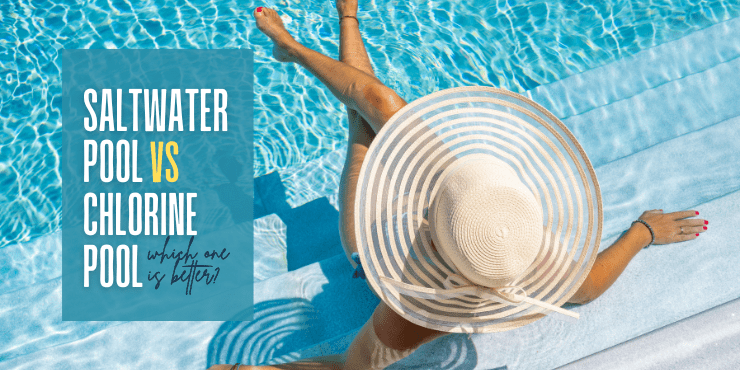
Below you will find the key differences, pros and cons, cost comparisons, health considerations, and practical maintenance tips for both systems so you can decide which fits your home and lifestyle best. If you are still deciding whether a pool is right for your household at all, our guide to the pros and cons of buying a home with a swimming pool is a helpful starting point.
Saltwater vs. Chlorine at a Glance
| Best For | Saltwater | Chlorine |
|---|---|---|
| Lower Upfront Cost | ❌ | ✅ |
| Lower Chemical Handling | ✅ | ❌ |
| Softer Water Feel | ✅ | ❌ |
| Easier Repairs | ❌ | ✅ |
| Long Term Convenience | ✅ | ❌ |
| Lower Equipment Cost | ❌ | ✅ |
What Is a Saltwater Pool?
A saltwater swimming pool uses a salt chlorine generator to convert salt into chlorine through a process called electrolysis. This means a saltwater system is still a chlorine pool, but instead of adding chlorine tablets or liquid directly, the generator creates chlorine from dissolved salt in the water.
How It Works:
- Salt (sodium chloride) is added directly to the pool water.
- The generator passes an electric current through the water and splits the salt into sodium and chlorine.
- The chlorine sanitizes the pool, then eventually converts back into salt and the cycle continues.
This closed loop keeps a more consistent level of chlorine and reduces the need to handle chlorine products on a regular basis.
Saltwater pools contain about 3,000 to 3,500 ppm (parts per million) of salt, which is roughly one tenth the salinity of ocean water. Most swimmers cannot taste the salt, and the water feels smooth rather than salty.
What Is a Chlorine Pool?
A traditional chlorine pool relies on manually added chlorine products like tablets, granules, or liquid to sanitize the water. Chlorine kills bacteria and algae, helping keep the water clear and safe for swimmers.
How It Works:
- Chlorine products are added directly to the pool water.
- Regular testing and small adjustments keep chlorine, pH, and other levels in balance.
Chlorine pools have been the standard for decades and remain very common in Wellington and throughout South Florida.
Saltwater Pool vs. Chlorine Pool: Main Differences
| Feature | Saltwater Pool | Chlorine Pool |
|---|---|---|
| Sanitization | Salt chlorine generator produces chlorine on site | Chlorine added manually |
| Water Feel | Softer, silkier feel to many swimmers | Can feel harsher on skin and eyes |
| Maintenance | Less frequent chemical handling once dialed in | Regular chlorine additions and balancing |
| Initial Cost | Higher due to generator and installation | Lower initial equipment cost |
| Ongoing Costs | Lower chlorine cost, possible higher equipment repairs | Ongoing chlorine purchases and testing supplies |
| Equipment Wear | Salt can be harder on metal fixtures and some equipment | Generally easier on metal and certain finishes |
| Smell | Milder chlorine odor for most people | Stronger “chlorine smell” when levels are off |
Pros and Cons of Saltwater Pools
Pros:
- Gentler on skin and eyes: Many swimmers report less irritation and a more comfortable feel.
- Less chemical handling: Once programmed correctly, the generator helps maintain more stable chlorine levels.
- Reduced odor: Less noticeable “chlorine smell” around the pool area when the system is balanced.
- Smooth water texture: The light salt level can make the water feel softer compared to many traditional chlorine pools.
Cons:
- Higher upfront cost: A salt chlorine generator and installation can add a significant amount to the initial pool price.
- Potential corrosion: Salt can be tough on metal railings, light fixtures, heaters, and some deck or coping materials if not designed for salt use.
- Generator maintenance: The cell will need cleaning and eventual replacement, which can be a higher ticket item.
- Power dependent: The system requires electricity to run, so no power means no chlorine production.
Pros and Cons of Chlorine Pools
 Pros:
Pros:
- Lower initial cost: No generator to buy or install, which keeps the starting budget lower.
- Proven system: Straightforward, familiar, and well understood by most pool companies.
- Flexible dosing: Easy to shock or adjust quickly when there is heavy use, storms, or algae.
- Simpler equipment: Fewer components to diagnose when something is not working.
Cons:
- More frequent chemical additions: You will handle chlorine products regularly and test more often.
- Stronger odors: When combined chlorine (chloramines) builds up, the smell can become very noticeable.
- Possible skin irritation: Some swimmers experience dry skin, faded swimsuits, or red eyes.
- Chemical storage: Chlorine products must be stored correctly and kept away from children and pets.
Health and Skin Considerations
Comfort in the water is one of the biggest reasons homeowners lean toward one system over the other. Saltwater pools tend to have lower and more stable chlorine levels, which is why many swimmers with sensitive skin, dry skin, or mild allergies find them more comfortable. Contact lens wearers and people prone to red or irritated eyes also tend to notice a difference.
Chlorine pools can still be perfectly comfortable when properly balanced, but chlorine levels are more likely to swing between additions, especially right after shocking the pool. Swimmers who are particularly sensitive to chlorine, or who have young children with delicate skin, often prefer the steadier feel of a saltwater system.
Neither system is hypoallergenic, since both ultimately sanitize with chlorine. If allergies or skin sensitivity are a major concern, it is worth testing the water in a saltwater pool before making a final decision, since individual reactions vary.
Understanding the “Chlorine Smell”
Contrary to popular belief, a strong chlorine smell usually does not mean there is too much chlorine in the water. It is often caused by chloramines, which form when chlorine combines with sweat, sunscreen, body oils, and other contaminants swimmers bring into the pool. Chloramines are actually a weaker sanitizer than free chlorine, and a strong odor is typically a sign that the water needs more chlorine, not less.
Proper water balance and routine shocking break down chloramines and actually reduce odor rather than increase it. This is true for both saltwater and chlorine pools, since a saltwater pool still relies on chlorine to sanitize the water and can develop the same chloramine odor if it falls out of balance.
Are Saltwater Pools Safe for All Pool Finishes?
Homeowners considering a saltwater system often ask whether the salt will damage their pool’s interior finish. In general, modern pool finishes hold up well to saltwater when water chemistry is properly maintained, including:
- Pebble finishes: Durable and widely used in saltwater pools.
- Quartz finishes: Generally salt friendly with proper maintenance.
- Plaster: Can work with saltwater, though it may show wear a bit sooner than other finishes if chemistry is not monitored closely.
- Fiberglass: Naturally smooth and non porous, making it a popular choice for saltwater pools.
- Vinyl liners: Compatible with saltwater when the salt level is kept within the manufacturer’s recommended range.
The bigger concern is usually not the pool’s interior finish but the metal fixtures, natural stone coping, and equipment around the pool, which is why choosing salt rated hardware matters more than the finish itself.
Environmental Impact of Saltwater and Chlorine Pools
Saltwater systems generate chlorine on site, which means fewer chlorine containers to purchase, transport, and store. Some homeowners see this as a lower impact option since it reduces packaging waste and the handling of concentrated chemical products.
Chlorine pools rely on manufactured chlorine products, which involve production, packaging, and transportation. However, chlorine pools give you more direct control over dosing, which can reduce overtreatment when managed carefully.
Both systems eventually release water into the environment through backwashing, splash out, or draining, and salt water in particular should never be discharged onto lawns, into storm drains, or near plants that are sensitive to salt. Checking local guidelines before draining or backwashing either type of pool is always a good practice.
How Long Does a Salt Cell Last?
The salt chlorine generator’s cell is the component that does the actual work of converting salt into chlorine, and it is also the part most likely to need replacement over time. Regular cleaning to remove scale and mineral buildup helps the cell run efficiently and extends its useful life. Poor water balance, especially high calcium hardness or high pH, tends to shorten a cell’s lifespan.
Warning signs that a cell may be wearing out include difficulty maintaining chlorine levels even with the generator running at a higher output, visible heavy buildup on the cell plates that does not clean off, or an error code on the control panel. A pool professional can test the cell’s output and let you know whether cleaning will solve the problem or whether replacement is the better option.
Aside from the salt cell, most other pool components have a similar lifespan regardless of which sanitizing system you use, since the pump, filter, heater, and pool surface are not doing the work of generating chlorine.
| Component | Saltwater Pool | Chlorine Pool |
|---|---|---|
| Salt Cell | Several years with regular cleaning; the one component unique to saltwater systems | Not applicable |
| Pump | Similar lifespan to a chlorine pool | Similar lifespan to a saltwater pool |
| Filter | Similar lifespan to a chlorine pool | Similar lifespan to a saltwater pool |
| Heater | May need salt rated components to avoid premature wear | Standard components typically sufficient |
| Pool Surface | Similar lifespan when chemistry is properly maintained | Similar lifespan when chemistry is properly maintained |
Converting a Chlorine Pool to a Saltwater Pool
Many homeowners with an existing chlorine pool choose to convert to a saltwater system rather than build a new pool. In most cases, conversion involves installing a salt chlorine generator into the existing equipment pad and adding the correct amount of salt to the water based on the pool’s volume.
Before converting, it is worth having a pool professional check a few things:
- Metal fixtures and equipment: Ladders, handrails, lights, and heaters should be rated for saltwater use.
- Deck and coping materials: Some natural stone and older concrete finishes can be more sensitive to salt exposure.
- Plumbing and electrical capacity: The generator needs proper wiring and enough flow through the plumbing to work correctly.
Once converted, the pool functions like any other saltwater pool, and the existing pump, filter, and heater typically continue to work alongside the new generator.
Who Should Avoid a Saltwater Pool?
A saltwater system is not the right fit for every home. It may be worth sticking with traditional chlorine if any of the following apply:
- Homes with extensive decorative natural stone: Certain stone coping and hardscaping can be more sensitive to long term salt exposure.
- Older metal pool equipment: Ladders, railings, and fixtures that were not built for saltwater may corrode faster.
- Owners prioritizing the lowest possible upfront investment: A basic chlorine setup will almost always cost less to install than adding a salt chlorine generator.
Cost Comparison: Saltwater Pool vs. Chlorine Pool
Initial Costs
- Saltwater pool: Installing a salt chlorine generator typically costs $1,000 to $2,500, depending on pool size and equipment, in addition to the base cost of the pool itself.
- Chlorine pool: Lower initial equipment cost, since a traditional chlorine pool does not require a generator.
Annual Maintenance Costs
Saltwater Pool:
- Salt refills periodically, generally a modest cost since salt itself is inexpensive.
- Replacement salt cells commonly cost $400 to $900, depending on brand and output, and typically need replacing every several years.
- Modest increase in electricity usage for the generator.
Chlorine Pool:
- Traditional chlorine pools do not require a generator or replacement cell, but owners typically spend several hundred dollars annually on chlorine products and balancing chemicals.
- Testing kits and supplies for stabilizer, alkalinity, and other balancing chemicals.
Figures above are general industry ranges; confirm current pricing with a local pool professional.
| Expense | Saltwater Pool | Chlorine Pool |
|---|---|---|
| Installation | Higher, due to the salt chlorine generator | Lower, basic chlorination equipment only |
| Annual Chemicals | Lower, mainly periodic salt refills | Higher, ongoing chlorine and balancing products |
| Electricity | Slightly higher to run the generator | Standard pump and filter usage only |
| Repairs | Can be more involved due to generator components | Generally simpler and less expensive to diagnose |
| Equipment Replacement | Salt cell replacement every several years | No comparable component to replace |
Over time, a saltwater pool may save on chlorine costs, while a chlorine pool avoids the cost of replacing a salt cell. Actual expenses can vary based on pool size, how often it is used, and local climate. In South Florida, where pools are used most of the year, it is important to look at long-term costs rather than just the first year.
Saltwater vs. Chlorine Pools in South Florida
Local climate plays a bigger role in pool ownership than many homeowners expect, and it is one area where South Florida differs from much of the country.
- Year round swimming: Unlike colder climates, Wellington and Palm Beach County pools are typically used nearly every month of the year, which means both systems work harder and need more consistent attention.
- Heavy rain and afternoon storms: Frequent summer downpours can dilute chemical levels and wash debris into the pool, so water needs to be tested more often during the rainy season.
- High UV exposure: Intense Florida sun breaks down chlorine faster, which is why stabilizer levels matter and why saltwater systems are often set to run longer during peak summer months.
- Hurricane season power outages: A salt chlorine generator stops producing chlorine without power. Homeowners in storm prone areas should have a backup plan, such as chlorine tablets on hand, for extended outages during hurricane season.
Maintenance Tips
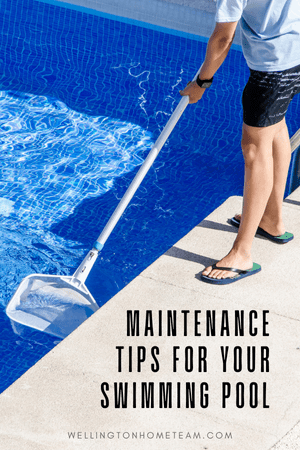
Saltwater Pool:
- Check salt levels regularly: Keep the level within the range recommended by your system.
- Clean the generator cell: Scale and buildup reduce chlorine output.
- Test pH and alkalinity: Salt systems can cause the pH to drift upward.
- Watch for corrosion: Inspect metal handrails, ladders, and light rings, especially in older pools.
Chlorine Pool:
- Test water weekly: Maintain proper chlorine, pH, and stabilizer levels.
- Shock as needed: After heavy use, storms, or noticeable cloudiness.
- Handle chemicals safely: Store in a cool, dry, well ventilated area.
- Brush and vacuum: Regular brushing and vacuuming help prevent algae and staining.
A Maintenance Schedule for Either System
Weekly:
- Test chlorine, pH, and (for saltwater pools) salt level.
- Skim debris, brush the walls, and empty skimmer baskets.
Monthly:
- Check stabilizer, calcium hardness, and alkalinity.
- Inspect the salt cell or chlorine feeder for buildup.
- Backwash or clean the filter as needed.
Seasonal:
- Deep clean the generator cell or replace worn chlorine feeder parts before peak swim season.
- Inspect metal fixtures, heaters, and coping for early signs of wear.
- In colder climates, this is also when pools are typically closed and reopened for the season. In South Florida, this step is usually replaced with a pre summer equipment check instead, since pools stay open year round.
Common Saltwater Pool Myths
Myth: Saltwater pools do not use chlorine.
Fact: They absolutely do. The salt chlorine generator produces chlorine from the salt in the water, so a saltwater pool is still sanitized by chlorine.
Myth: Saltwater pools taste like the ocean.
Fact: They contain only about one tenth the salt concentration of seawater, which is why most swimmers barely notice it.
Myth: Saltwater pools require no maintenance.
Fact: They still require regular water testing, pH balancing, and occasional salt cell cleaning, just less frequent chemical handling than a traditional chlorine pool.
Which Pool Type Is Right for You?
Both saltwater and chlorine pools can work well in Wellington and Palm Beach County. The best choice often comes down to how you prefer to maintain the pool and how much you want to invest upfront.
Choose a Saltwater Pool If:
- You want less day to day chemical handling.
- You are sensitive to strong chlorine odors or skin irritation.
- You are comfortable with a higher initial budget.
- You prefer a smoother, “softer” feel to the water.
Choose a Chlorine Pool If:
- You want to keep upfront costs lower.
- You do not mind testing and adding chlorine regularly.
- You are familiar with traditional pool care or work with a pool service company.
- You prefer simpler equipment and fewer components to maintain.
Does a Saltwater Pool Increase Home Value?
Buyers often view saltwater pools as a desirable upgrade because of the lower day to day maintenance and softer-feeling water. However, a saltwater system alone rarely increases a home’s appraised value. Overall pool condition, age, and maintenance history generally matter more to buyers and appraisers than the sanitizing method.
If you are weighing a pool upgrade with resale in mind, it is worth reading more about the broader pros and cons of buying a home with a swimming pool, and if you are curious what your home could be worth as is, you can request a free home value estimate any time.
Frequently Asked Questions
Do saltwater pools still contain chlorine?
Yes. A saltwater pool is still a chlorine pool. The salt chlorine generator converts dissolved salt into chlorine through electrolysis, so the water is sanitized by chlorine either way. The difference is how that chlorine gets into the water, not whether it is there.
Is a saltwater pool cheaper than a chlorine pool in the long run?
It depends on the timeline. A saltwater pool typically costs more to install because of the salt chlorine generator, but it usually costs less to sanitize year to year since you are not buying chlorine products regularly. A chlorine pool costs less upfront but requires ongoing purchases of chlorine, testing supplies, and balancing chemicals.
How often does a salt cell need to be replaced?
Most salt cells last several years with proper care, though the exact lifespan depends on usage, water balance, and how well the cell is maintained. Regular cleaning to remove scale buildup helps the cell last as long as possible and keeps chlorine output consistent.
Can a chlorine pool be converted to a saltwater pool?
In most cases, yes. Converting typically involves adding a salt chlorine generator to the existing pool equipment and adding the correct amount of salt to the water. A pool professional should confirm that the plumbing, equipment, and any metal fixtures or finishes can handle a saltwater system before converting.
Which is gentler on skin and eyes, saltwater or chlorine?
Many swimmers find saltwater pools gentler on skin and eyes because the salt concentration is low and chlorine levels tend to stay more consistent. Chlorine pools can feel harsher, especially when chlorine levels spike after shocking the water or when combined chlorine builds up.
Is a saltwater pool bad for pool equipment?
Salt can be corrosive to certain metal fixtures, heaters, and some deck or coping materials if they were not designed for a saltwater system. Choosing salt rated equipment and finishes, and rinsing metal surfaces near the pool, helps reduce the risk of corrosion over time.
How much salt is actually in a saltwater pool?
Most saltwater pools are maintained at roughly 3,000 to 3,500 parts per million of salt, which is about one tenth the salinity of ocean water. Most swimmers cannot taste it, and the water feels smooth rather than salty.
Does a saltwater pool increase home value?
A saltwater system alone rarely increases a home’s appraised value. Buyers often view it as a desirable feature because of lower day to day maintenance, but the pool’s overall condition, age, and upkeep generally matter more to value than the sanitizing method.
Final Thoughts
The choice between a saltwater pool and a chlorine pool is less about which system is “best” and more about which one fits your preferences, budget, and comfort level with maintenance. Saltwater systems can provide a more comfortable swimming experience with less frequent chemical handling, while chlorine pools keep initial costs down and rely on a tried and true method that most pool professionals understand.
By understanding how each type of pool works, along with the pros, cons, costs, and long term care each one requires, you can choose a system that works well for your home, your schedule, and how often you use your pool.
As a Wellington Realtor, I’ve shown homes with both saltwater and traditional chlorine pools, and buyers often ask whether a saltwater or chlorine pool is the better choice. In my experience, the answer usually comes down to how well the pool has been maintained rather than which sanitizing method it uses. A clean, properly cared for pool is almost always more appealing to buyers than one with neglected equipment, regardless of whether it runs on salt or chlorine. For more general pool care guidance, see our pool maintenance tips.
Please consider spreading the word and sharing; Saltwater Pool vs. Chlorine Pool: Which One Is Better?
Wondering what type of pool is right for you? Compare chlorine and saltwater pools, including pros and cons, maintenance, and long-term costs. #saltwaterpool #chlorinepoolAbout the Author
Top Wellington Realtor Michelle Gibson wrote “Saltwater Pool vs. Chlorine Pool: Which One Is Better?”
Michelle has been specializing in residential real estate since 2001 throughout Wellington Florida and the surrounding area. Whether you are looking to buy, sell, or rent, she will guide you through the entire real estate transaction.
Areas of service include Wellington, Lake Worth, Royal Palm Beach, Boynton Beach, West Palm Beach, Loxahatchee, Greenacres, and more.