
Why Pipes Burst in Rental Properties and How to Fix Them
Burst pipes are one of the most expensive maintenance emergencies landlords face. A single burst pipe can damage drywall, flooring, and electrical systems, and in serious cases force tenants to temporarily move out while repairs are made. Beyond the cost of the repair itself, you are often looking at a plumbing emergency, a water damage cleanup, and an unhappy tenant all at once. Understanding why pipes burst, and how to prevent it, can save you thousands of dollars and a lot of stress.
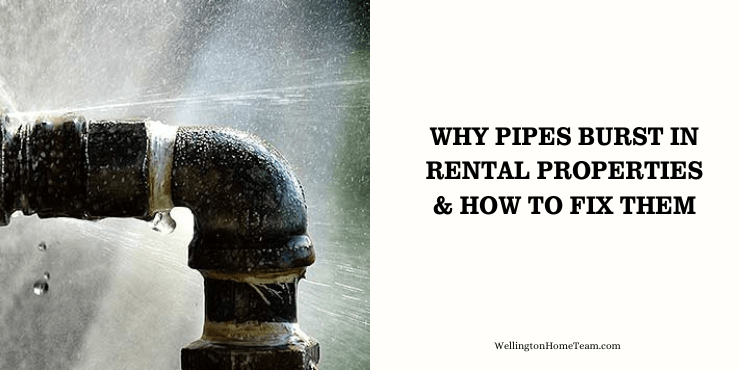
Whether you already own a rental or are still buying an investment property, understanding the plumbing system is vital for protecting your investment. Below, we break down the real causes, what to do the moment a pipe bursts, how to repair it, and how to prevent it from happening again.
What Causes Pipes to Burst
Old and Clogged Pipes
Old and clogged pipes act like ticking time bombs in your property. A burst pipe is considered an emergency maintenance issue since it can lead to flooding and cause additional damage throughout the home. Over time, pipes naturally deteriorate, and buildup inside them narrows the space water has to flow through. When pressure builds in these tight spaces, especially during heavy use, the pipe can crack or burst without warning. Corrosion is another silent culprit that eats away at the inside of old pipes until they fail completely.
Clogs caused by debris, hair, or grease raise internal pressure, and water eventually finds a way out through the weakest point in the pipe. For an investor, this means unexpected repair bills and potential tenant displacement, both of which hurt your bottom line. Routinely checking your property’s plumbing system and replacing aging pipes before they fail is the best way to avoid this kind of disruption.
Faulty Repairs
A burst pipe can also result from sneaky, overlooked causes like poor repair work. Maybe a handyman, a well meaning tenant, or a previous owner attempted a DIY repair and used a pipe or fitting that did not match the existing system. Improper soldering, incompatible pipe materials, incorrect fittings, and overtightened connections are all common culprits behind a plumbing failure that shows up weeks or months later.
Even a minor leak or a poorly sealed joint can develop into a full blown burst over time as water continues to move through the system. A seemingly inexpensive repair today can turn into a costly one later, especially if it damages walls, floors, or a tenant’s belongings. Frequent inspections by trained professionals help catch these hidden problems before they escalate into a full plumbing emergency.
High Water Pressure
Consistently high water pressure is one of the most common and most overlooked causes of burst pipes. Most residential plumbing systems are built to handle water pressure between 40 and 60 PSI. Anything consistently above 80 PSI puts serious strain on pipes, joints, and fittings, and it is only a matter of time before something gives.
Pressure spikes can come from the municipal water supply itself, or from a failed pressure regulator on the property. Since high pressure often shows no obvious symptoms until a pipe actually bursts, it is worth having a plumber test your water pressure during a routine inspection, especially in older properties or ones that have never had a pressure regulator installed.
What to Do Immediately After a Pipe Bursts
How you respond in the first few minutes after a pipe bursts can make the difference between a manageable repair and a major loss. If you or your tenant discover a burst pipe, take these steps right away.
- Shut off the main water supply to stop the flooding.
- Turn off electricity to the affected area if water is near outlets or fixtures.
- Notify your tenant or property manager so everyone is on the same page.
- Document the damage with photos and video for insurance purposes.
- Call a licensed plumber to assess and repair the pipe.
- Begin drying the area with fans or a wet vac to limit water damage and reduce the risk of mold.
How to Repair Burst Pipes
Inspection
Before you fix a burst pipe, start with a thorough inspection. It sounds obvious, but in the rush to stop water damage, many property owners skip this step and end up with a temporary fix that causes bigger problems later.
Turn off the water supply right away to prevent further flooding. Then inspect closely to find the exact location of the burst. Sometimes the leak is not exactly where the water is pooling, so check for damp spots on walls, ceilings, or under floors. If you are dealing with older pipes, check the surrounding sections too, since they may be close to failing as well.
A flashlight can help you spot pinhole leaks or hairline cracks you might otherwise miss. If you are uncertain about the extent of the damage, it is wise to get a professional assessment from a licensed plumber. A thorough home inspection helps you determine the best repair strategy and avoid repeat issues down the road.
Decide on Permanent Repair or Replacement
The initial instinct when a pipe bursts is to fix it immediately and stop the damage. As an investor, though, it is worth pausing to consider whether a full pipe replacement makes more sense than a quick patch.
Temporary solutions like clamping or epoxy can buy you time and restore water flow, which keeps tenants satisfied in the short term. But if the pipe is old or already shows visible wear, a permanent repair or full replacement can prevent another leak and another bill down the line.
Replacement can feel like a bigger expense upfront, but it often pays off by reducing emergency plumber calls and water damage headaches over time. Have a trusted plumber assess the pipe’s overall condition, not just the section that burst, so you can make a decision that protects both your property and your budget.
How to Prevent Pipes From Bursting in Rental Properties
Repairing a burst pipe is reactive. Preventing one in the first place is where you actually protect your investment. A few habits go a long way toward avoiding a plumbing emergency altogether.
- Schedule annual plumbing inspections so small issues get caught before they become expensive ones.
- Replace aging pipes proactively instead of waiting for them to fail on their own timeline.
- Install a pressure regulator and have your water pressure tested if it has never been checked.
- Educate tenants about what should never go down a drain, including grease, wipes, and other debris that leads to clogs.
- Make sure tenants know where the water shutoff valve is so they can act fast if a pipe does burst.
- Insulate exposed pipes in unheated areas like garages, attics, and crawl spaces, especially if your property ever sees freezing temperatures.
None of these steps take much time or money compared to the cost of a plumbing emergency, and together they form the backbone of good rental property maintenance and landlord responsibilities.
Importance of Hiring Professional Water Damage Restoration Services
Water damage is one of the most common issues property owners should try to get ahead of as quickly as possible. You might be tempted to handle cleanup yourself, but this is exactly where professional water damage restoration services earn their keep.
Professionals have the right tools to find hidden moisture behind walls and under floors, areas you may easily miss during your own inspection. This matters because leftover moisture can lead to mold, structural damage, and future tenant complaints you do not need. Restoration professionals also help document the damage for insurance claims, which saves you time and stress during an already hectic situation.
When you hire professionals, you are investing in the long term health of your property and the safety of your tenants. It also gives you peace of mind knowing the repairs were done correctly the first time, protecting your investment, your schedule, and your sanity.
Frequently Asked Questions
What are the first signs that a pipe is about to burst?
Watch for discolored water, unusual banging or whistling sounds in the walls, damp spots on ceilings or floors, and a noticeable drop in water pressure. Any of these can signal a pipe that is close to failing.
Can a burst pipe be a landlord’s responsibility even if the tenant caused it?
In most cases, plumbing systems are considered part of the property structure, so landlords are typically responsible for repairs. However, if a tenant’s negligence directly caused the damage, that liability can shift depending on your lease terms and local law.
How much does it typically cost to repair a burst pipe?
Costs vary widely based on the pipe’s location, the extent of the damage, and whether water damage restoration is also needed. A simple fix might run a few hundred dollars, while extensive repairs involving walls or flooring can run into the thousands.
How long does it take to repair a burst pipe?
A straightforward repair to an accessible pipe can often be done in a few hours. If the pipe is behind a wall or under a floor, or if there is significant water damage to address, the full repair and cleanup process can take several days.
Can frozen pipes burst after they thaw?
Yes. A frozen pipe often does not show visible damage until the ice inside melts and water pressure returns, which is when the crack that formed during freezing finally reveals itself as a leak or a burst.
Will a small pipe leak eventually turn into a burst pipe?
It can. A small leak is often a sign of an underlying weak point, whether from corrosion, a faulty joint, or pressure issues, and that weak point tends to get worse over time rather than resolve on its own.
Can tenants help prevent burst pipes?
Yes. Tenants who know where the shutoff valve is, avoid putting grease and wipes down drains, and report leaks or low water pressure right away can help catch problems before they turn into a full plumbing emergency.
How often should rental property pipes be inspected?
Most experts recommend a professional plumbing inspection at least once a year, with additional checks during tenant turnovers and before extreme weather seasons.
Does landlord insurance cover burst pipe damage?
Most landlord insurance policies cover sudden and accidental water damage from a burst pipe, but they often exclude damage caused by long term neglect or lack of maintenance. Always confirm the specifics with your insurance provider.
Final Thoughts
No landlord can eliminate every plumbing problem, but regular maintenance, routine inspections, and prompt repairs greatly reduce the risk of burst pipes. Taking a proactive approach protects your investment, keeps tenants happy, and helps you avoid expensive plumbing emergencies down the road.
Please consider spreading the word and sharing: Why Pipes Burst in Rental Properties and How to Fix Them
Learn why pipes burst in rental properties, how to prevent them, and what to do to fix the damage and protect your investment. #plumbing #howtoAbout the Author
Top Wellington Realtor, Michelle Gibson, wrote: “Why Pipes Burst in Rental Properties and How to Fix Them”
Michelle has been specializing in residential real estate since 2001 throughout Wellington, Florida, and the surrounding area. Whether you are looking to buy, sell, or rent, she will guide you through the entire real estate transaction. If you are ready to put Michelle’s knowledge and expertise to work for you, call or e-mail her today.
Areas of service include Wellington, Lake Worth, Royal Palm Beach, Boynton Beach, West Palm Beach, Loxahatchee, Greenacres, and more.