
Workshop Design Ideas | A Planning Guide for Homeowners
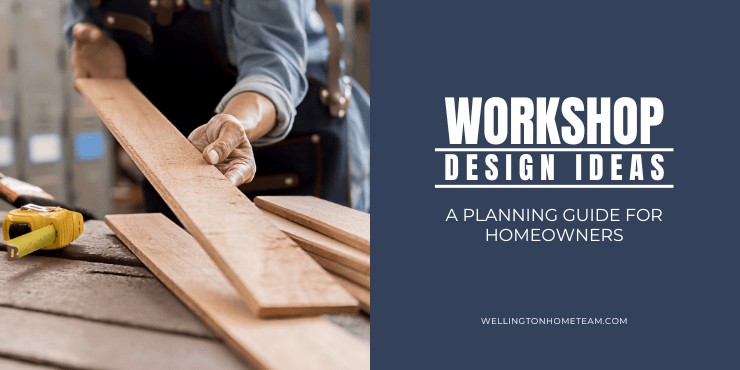
Some people don’t see the workshop as a nice extra. They want a spot where tools don’t have to be cleared off the table every night. That could mean a corner for engine work, shelves for clamps and screws, or enough room to cut boards without bumping into everything.
More buyers are asking for that up front when shopping for a home. A workshop shouldn’t get squeezed into whatever space is left over. The layout should support how the space actually gets used, from the first day it’s set up to years down the road.
Home Workshop Ideas for Different Uses
A workshop should be designed around what you actually plan to do there. A woodworker, a mechanic, an artist, and a weekend DIYer may all need very different layouts, so it helps to start with the use in mind rather than a generic setup.
Woodworking Workshop
Woodworking spaces benefit from open floor areas, strong lighting, dust collection, and enough room to move full sheets of plywood or long boards safely.
Garage Workshop
Garage workshops are popular because they offer easy access, durable flooring, and room for larger equipment while keeping mess outside the main living area.
Small Home Workshop
Even a small workshop can work well with vertical storage, fold-down workbenches, rolling tool carts, and multi-purpose equipment that pulls double duty.
Home Mechanic Workshop
Automotive projects call for extra clearance, strong lighting, durable flooring, and enough space around the vehicle to safely work from every angle.
What Makes a Great Workshop?
A great workshop doesn’t have to be fancy, but it does need to work with you, not against you. That means designing a space that’s practical, efficient, and comfortable to be in. Here are the basics that matter most.
1. Natural Light
Start with lighting. Even a single window can make a big difference. Natural light improves visibility and helps the space feel less cramped and more inviting.
2. Airflow
If you’ve ever sanded wood or used paint indoors, you know how quickly a room can get stuffy. A window helps, but proper ventilation is better. Install a fan that pulls air out, or vents that move air through, to keep things breathable.
3. Noise Control
If your shop shares a wall with a bedroom or living space, plan for sound early. Power tools get loud fast. Adding insulation or thicker drywall is a simple way to contain the noise without overcomplicating the build.
4. Efficient Layout
A cramped, cluttered shop can make any project feel like a chore. Group similar tools together, and use shelves, pegboards, and wall hooks to free up floor space. Keep work zones, like cutting, sanding, and finishing, separate but close enough to move between easily.
5. Dust Collection
A basic shop vac is a good starting point, but for larger setups, a central dust collection system with ducting can be a game-changer. It keeps the air cleaner, the floor safer, and visibility clear.
6. Practical Add-Ons
A few extra details can take your shop from functional to truly efficient:
- Plenty of power outlets, ideally on separate circuits
- A dedicated breaker for high-draw tools like table saws
- Higher ceilings for standing lumber or vertical clamps
- A separate exterior door so boards don’t have to travel through the living room
House Plans with Workshop Spaces
Some homeowners are building a shop right into the home from the start. It saves space, and there’s no running back and forth between the house and a separate workspace.
An integrated shop lets people tinker or build without needing a second address. Maybe it supports extra income, or maybe it’s simply for fun. Either way, having it close by means projects get finished when there’s actually time for them, with no setup and no drive across town.
Keeping the shop as part of the home also adds privacy. There’s no hauling gear into shared garages or setting up in noisy public spaces. A project can sit midway, get shut behind a closed door, and wait until inspiration strikes again.
Temperature control is another advantage. A basement or back-room workshop usually shares the home’s heating and cooling. That means no freezing in January or sweating through July while trying to glue joints.
Depending on local regulations and how the space is used, homeowners may also need to consider zoning requirements, permits, and insurance coverage before finishing a workshop as part of the home. It’s worth checking with the local building department early in the planning process.
Garage Plans with Workshop Areas
For homeowners who’d rather keep sawdust and sanding noise out of the house, garage plans with workshop(opens in new tab) areas offer a good middle ground.
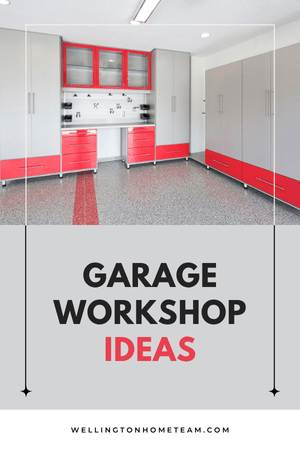 Some are attached garages with an extended bay set aside just for tools. Others are standalone units with their own entrance and utilities. Either way, the setup offers flexibility and freedom.
Noise isolation is a major benefit. A miter saw can run without waking the baby, and a dropped wrench goes unheard inside the house. The garage walls act as a buffer, which matters most when projects run late into the night.
Customization is another draw. Garages are easier to outfit with industrial flooring, workshop lighting, and wall-mounted storage. Adding a heater or mini-split is doable, and insulation is a straightforward upgrade. Weekend woodworking, car restoration, and small-scale fabrication all fit comfortably. For anyone running a lean business from home, these plans strike a solid balance between business-ready and budget-smart.
Some homeowners also convert part of an existing garage into a dedicated workshop rather than building new. Before making that change, it’s worth checking HOA rules, permits, and whether the modification could affect resale down the road.
Designing a Workshop in Florida
In Florida, workshop design comes with a few extra considerations. Garages and detached workshops can get extremely hot and humid, so insulation, ventilation, and moisture control are especially important in Florida. Adding a mini-split system, proper air circulation, and moisture-resistant storage helps protect tools and materials year-round, and it keeps the space usable even in the peak of summer.
Layout Tips for Efficiency and Flow
Once the space is set, the next step is arranging it to actually work.
Consider Your Movement
Think about how you move around while working. Arrange tools and workstations so the flow feels natural and unobstructed. Place large equipment near power outlets to avoid long extension cords. If you use a table saw, leave ample space behind it so long boards won’t hit the wall, and enough room in front to feed materials comfortably.
Maximize Storage and Mobility
Rolling cabinets are a workshop essential. They keep tools organized and easy to move when a project calls for it. Add overhead storage for seasonal gear, clamps, or extra supplies to free up floor space.
Adapt to Your Experience Level
Anyone just starting out should keep the setup modular and flexible, since needs and tool collections tend to grow over time. More experienced woodworkers or builders often prefer built-in stations and fixed layouts that squeeze out extra efficiency. The best layout is the one that fits how you actually work.
Stay Comfortable, Stay Safe
Tools are usually the first thing people think about, and layout matters just as much. But after a few solid weekends in the shop, safety earns its place right alongside comfort. Here are a few things worth keeping in mind.
Keep Clear Paths
Cords underfoot or a sidestep needed just to reach the saw both slow work down and raise the risk of accidents, especially when handling heavy lumber or sharp tools. Clear, unobstructed paths reduce hazards and make the whole space easier to work in.
Lighting Matters
Good lighting often gets overlooked. Overhead bulbs provide basic illumination, but they’re rarely enough on their own. Task lighting over the workbench or adjustable lamps cut down on shadows and help with accuracy.
Work Surface Height
Workbench height makes a bigger difference than most people expect. Too high strains the shoulders; too low strains the back. Waist height works best for most people, and adjustable legs are worth the investment if the budget allows.
Comfort on Your Feet
Long hours standing call for a padded mat to ease pressure on the knees and feet. Moving heavy materials solo is hard on the back, so a rolling cart or flat dolly is worth having on hand.
Safety Essentials
Keep a first-aid kit within easy reach. It doesn’t need to be elaborate, just well-stocked and visible. Anyone using gas-powered tools should also add a fire extinguisher and a carbon monoxide detector. They’re rarely needed, but a relief to have when they are.
Future Proof Your Workshop
A shop doesn’t have to stay the same forever, and it shouldn’t.
Design it so it can grow. Leave wall space open for future tool mounts, and run extra wiring even if it isn’t needed yet, since a future project will likely put it to use. Planning to try metalworking down the road? Set aside room for a separate bench or a different ventilation setup now.
Insulation is worth adding even outside a cold climate. It keeps temperature stable, blocks sound, and helps lower energy bills. Rigid foam or spray insulation works well for garages, while batts suit indoor shops.
Don’t overlook the tech side either. A small spot for a laptop comes in handy for checking plans or watching a how-to video, and smart plugs make juggling multiple tools or lighting setups much easier. Above all, keep the layout flexible, since tools and projects will keep changing.
Workshop Features That Appeal to Home Buyers
When a home has a dedicated workshop, buyers often look for features that make the space immediately usable rather than a shell they’ll have to finish themselves:
- Built-in storage
- Good lighting
- Extra electrical outlets
- Durable flooring
- Climate control
- Exterior access
- Room for tools and equipment
- Proper permitting
A thoughtfully designed workshop may not add dollar-for-dollar value the way a kitchen renovation does, but it can help a home stand out to the right buyer, and it can be the feature that helps one home stand out when buyers are comparing similar properties. For a broader look at what tends to move the needle at resale, see Things That Increase Home Property Value.
Frequently Asked Questions
How much space do I need for a home workshop?
A workable hobby shop can start around 100 to 200 square feet, but anyone planning to work with larger equipment like table saws or lathes should aim closer to 300 square feet for comfortable movement.
Do I need a permit to build a home workshop?
It depends on the scope of the project and local building codes. Adding electrical circuits, plumbing, or structural changes typically requires a permit, so it’s worth checking with the local building department before starting.
What is the best flooring for a workshop?
Epoxy-coated concrete is a popular choice because it resists stains, holds up to heavy tools, and is easy to clean. Rubber mats or interlocking tiles are good options for added comfort underfoot.
Can a workshop increase my home’s resale value?
A well-built, properly permitted workshop can add appeal for buyers who want dedicated space for hobbies or small business use, though the return depends heavily on the local market and how the space is finished.
Should a workshop be attached to the house or detached?
Attached workshops offer convenience and shared utilities, while detached workshops, like those built into a garage, offer better noise isolation and separation from daily household activity. The right choice depends on how the space will be used and how much noise or dust it will generate.
What should every home workshop have?
Every workshop should have adequate lighting, electrical outlets, storage, ventilation, a sturdy work surface, and enough room to safely move around equipment.
Is a garage good for a workshop?
A garage is one of the most popular locations for a home workshop because it provides durable flooring, easy access, and separation from living spaces. Insulation and ventilation can make it much more comfortable year-round.
Final Thoughts
A shop isn’t just for building stuff. It’s where you go to clear your head or work something out with your hands. Whether you’re planning a big custom space or carving out a section of the garage, the layout matters. Design it with intention, and make room for whatever your craft grows into next. Your dream workshop starts with the floor plan, so build wisely.
Please consider spreading the word and sharing: Workshop Design Ideas | A Planning Guide for Homeowners
Planning a home workshop? Get design ideas, layout tips, and smart add-ons to build a space that's efficient, and comfortable. #howto #diyAbout the Author
Top Wellington Realtor, Michelle Gibson, wrote: “Workshop Design Ideas | A Planning Guide for Homeowners”
Michelle has been specializing in residential real estate since 2001 throughout Wellington, Florida, and the surrounding area. Whether you’re looking to buy, sell, or rent she will guide you through the entire real estate transaction. If you’re ready to put Michelle’s knowledge and expertise to work for you call or e-mail her today.
Areas of service include Wellington, Lake Worth, Royal Palm Beach, Boynton Beach, West Palm Beach, Loxahatchee, Greenacres, and more.