
New Construction Pricing Breakdown: How Builders Price Homes
New construction homes often appear straightforward on the surface. A model home has a listed price. A community advertises homes starting in the low or mid-range. Buyers assume the number they see is close to what they will pay.
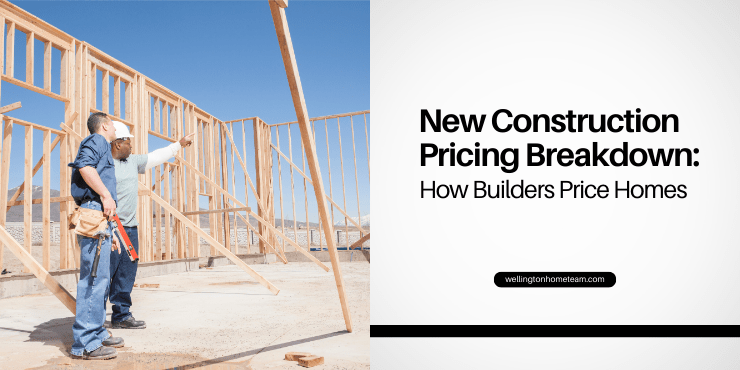
In practice, new construction pricing works very differently. The final purchase price is built from multiple layers that are not always obvious at first glance. Understanding those layers helps buyers compare new construction to resale homes accurately, avoid sticker shock, and make better decisions during the buying and design process.
New construction pricing is made up of three core components:
- The home base price
- The lot premium
- Design options selected during the design appointment
Each component plays a distinct role, and each one can move the final price significantly.
This article breaks down how those three pieces work, why builders structure pricing this way, and what buyers should pay attention to before signing a contract.
Why New Construction Pricing Feels Confusing
Builders market homes differently than resale sellers. A resale home is listed with one number that already includes the lot, the finishes, and the upgrades. With new construction, pricing is modular by design.
Builders do this for flexibility. It allows them to advertise a lower starting price, offer customization, and adjust pricing based on demand, inventory, and buyer choices. For buyers, however, it can feel like the price keeps changing as the process unfolds.
Understanding the pricing structure upfront removes much of that uncertainty.
Component One: The Home Base Price
The home base price is the starting point. It represents the cost of the house itself before the land and before personalization.
The base price typically includes the following:
- The home’s structural footprint and square footage
- Standard exterior elevation
- Basic interior finishes chosen by the builder
- Standard flooring in select areas
- Builder-grade cabinets, countertops, and fixtures
- Basic appliances, if included
- Standard ceiling heights and window packages
The base price does not include premium lots, upgraded layouts, or most cosmetic finishes beyond the builder’s minimum specifications.
Base prices vary by model, not by lot. A 3-bedroom one-story model will have the same base price whether it sits on an interior lot, a lake lot, or a corner lot. The land is priced separately.
Builders adjust base prices over time based on labor costs, material costs, and market demand. A model that cost a certain amount earlier in the year may cost more later, even if nothing about the model has changed.
 What Buyers Often Misunderstand About the Base Price
 What Buyers Often Misunderstand About the Base Price
Many buyers treat the base price as a realistic estimate of what they will pay. In most cases, it is not.
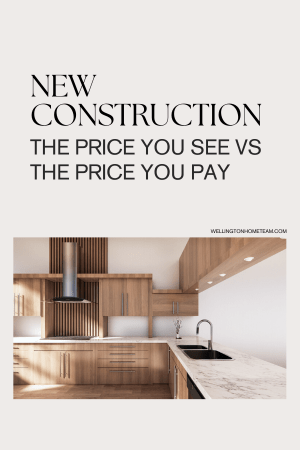
The base price reflects a livable home, but often not the home buyers imagine when they walk through a decorated model. Model homes almost always include upgrades that are not part of the base price.
If you’re curious how design selections impact pricing, read Florida Homeowners Designing Their Homes for insight into personalization trends.
Component Two: Lot Premium
The lot premium is the price attached to the specific parcel of land the home will sit on. This is often the most underestimated part of new construction pricing.
Not all lots are priced the same, even within the same community.
Lot premiums are influenced by factors such as:
- Water or lake views
- Preserve or green space views
- Cul-de-sac positioning
- Corner lots
- Larger lot sizes
- Privacy or distance from roads
- Proximity to amenities or entrances
In many communities, interior lots with no special features carry little to no premium. Premium lots can add anywhere from a few thousand dollars to well into six figures, depending on the market and location.
Lot premiums are usually non-negotiable. Builders price lots based on desirability and demand, and those prices are typically fixed once released.
How Lot Premiums Affect Comparisons
Lot premiums make comparing new construction homes tricky. Two buyers can purchase the same model in the same community and end up with very different final prices purely based on the lot they choose.
This is why comparing new construction prices to resale homes requires careful analysis. A resale home already includes the land value in the list price. With new construction, that land value is a separate line item.
Component Three: Design Options and Upgrades
Design options are where most price escalation occurs.
After signing a contract, buyers attend a design appointment where they select finishes and optional features. This is when the base home is personalized, and it is also when many buyers experience sticker shock.
 Design options can include:
- Flooring upgrades throughout the home
- Cabinet style, color, and finish changes
- Countertop materials such as quartz or stone
- Appliance packages
- Lighting and electrical upgrades
- Plumbing fixtures
- Interior door styles
- Trim details and ceiling features
- Bathroom tile and shower upgrades
- Structural options if not already selected
If interior design influences your pricing choices, check out these related reads:
- Interior Design Trends From the Fairs
- Things I Learned From an Interior Designer
- Bold, Stylish Decorating Tips for Any Space
Why Design Costs Add Up Quickly
Design centers price upgrades individually, not as bundles. Small choices accumulate fast.
Upgrading flooring in multiple rooms, choosing higher-tier countertops, adding lighting packages, and selecting premium cabinets can easily add tens of thousands of dollars to the base price.
Model homes typically showcase higher-tier design selections to create emotional appeal. Buyers often expect their finished home to look similar, only to realize those finishes are not included in the advertised price.
Structural Options Versus Design Options
It is important to distinguish between structural options and design finishes.
Structural options may include:
- Extended patios
- Additional bedrooms or bathrooms
- Expanded garages
- Tray ceilings
- Extra windows or sliding doors
These options often must be chosen before construction begins and can affect appraisal and resale value more than cosmetic finishes. Design options focus more on appearance and personalization. Understanding which upgrades are structural and which are cosmetic helps buyers prioritize spending.
How Builders Use Pricing Strategically
Builders structure pricing this way for several reasons.
It allows them to advertise competitive starting prices while still capturing value through lot premiums and upgrades. It also gives buyers flexibility to customize within a range of budgets.
From a market standpoint, builders can adjust base prices, lot premiums, or incentives independently depending on demand. In a slower market, they may offer design credits. In a stronger market, they may increase base prices or release fewer premium lots.
Comparing New Construction to Resale Homes
To compare new construction accurately to resale homes, buyers should focus on the final out-the-door price, not the advertised starting price.
That means accounting for:
- Base price
- Lot premium
- All selected upgrades
- Closing costs and builder fees
- Any incentives or credits
Only then does the comparison become apples to apples. A resale home may appear more expensive at first glance, but it could include features that would be costly upgrades in new construction. If you are weighing whether to buy new or put that same money into an existing property, the tradeoffs between renovating and buying new are worth reviewing before you commit to either path.
Budgeting Smartly for New Construction
Buyers considering new construction should approach pricing with a buffer.
A realistic strategy includes:
- Reviewing upgrade price lists early
- Prioritizing structural options over cosmetic upgrades
- Allocating a separate budget for design selections
- Understanding which upgrades can be done later and which cannot
Some cosmetic upgrades, such as light fixtures or paint colors, can be changed after closing. Structural changes cannot. If you are still early in the process, our step by step home buying guide walks through how budgeting for a new build fits into the larger purchase timeline.
Final Thoughts
New construction pricing is not misleading, but it is layered. The base price, lot premium, and design options each represent a different part of the value equation.
Buyers who understand those components upfront are less likely to feel surprised or pressured later in the process. They are also better positioned to compare new construction homes to resale properties with clarity and confidence.
The key is not focusing on the starting price, but on the full picture. That said, waiting too long for the perfect lot or floor plan can end up costing buyers more than the pricing structure itself, so it is worth balancing patience with timing.
Frequently Asked Questions About New Construction Pricing
Is the advertised starting price realistic?
The starting price reflects the base home only. Most buyers should expect the final price to be higher once the lot and upgrades are included.
Are lot premiums negotiable?
In most cases, no. Lot premiums are set by the builder based on demand and location within the community.
Do all upgrades increase resale value?
Not all upgrades have the same impact. Structural upgrades and layout changes tend to hold value better than cosmetic selections.
Can buyers skip the design center to save money?
Buyers must still select finishes, but choosing standard options can keep costs closer to the base price.
Is new construction always more expensive than resale?
Not always. It depends on the community, the lot, the upgrades selected, and the local resale inventory.
Why do model homes look better than the base home?
Model homes are designed to showcase premium upgrades that highlight the builder’s best features. Those upgrades are rarely included in the base price.
Should buyers expect prices to change after signing a contract?
Once under contract, base prices are typically locked in. However, upgrade selections can still change the final price if buyers adjust their choices.
If you found this helpful, feel free to share: New Construction Pricing Breakdown: How Builders Price Homes
Understand how builders price new construction homes, including base price, lot premiums, and design upgrades buyers often overlook. #realestate #newconstructionAbout the Author
Michelle Gibson is a Realtor with Hansen Real Estate Group Inc. and has specialized in residential real estate since 2001 in Wellington, Florida, and nearby communities. She has guided hundreds of transactions from contract to closing and has handled complex inspections, low appraisals, HOA issues, and financing delays firsthand. She helps buyers and sellers make confident decisions with clear guidance on pricing, negotiations, inspections, and closing timelines.
Areas of service include Wellington, Lake Worth, Royal Palm Beach, Boynton Beach, West Palm Beach, Loxahatchee, Greenacres, and surrounding areas.