
Moving with a Disability | 5 Tips to Navigate the Process
Moving can be a stressful and difficult experience for anyone at the best of times. But for people with disabilities, it can be especially tough. Accessibility needs go well beyond wheelchair ramps. They can include mobility limitations, visual or hearing impairments, cognitive disabilities, medical equipment, and the accessibility of bathrooms, entrances, and kitchens, on top of transportation and moving-day logistics. Preparing to move may require careful planning to ensure your new home is safe, accessible, and meets your specific needs.
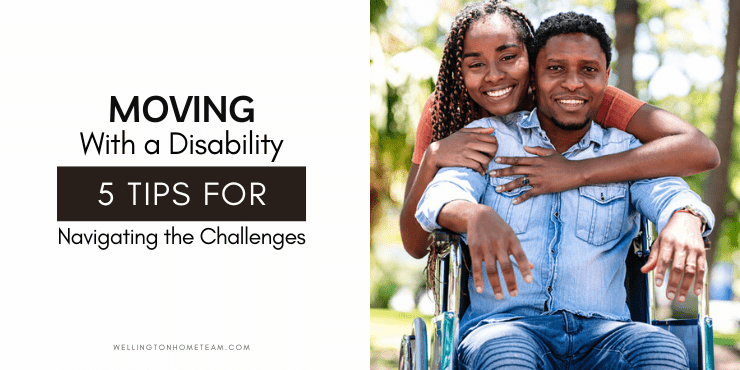
Below, we cover ways to make the process of moving home easier for people with disabilities, from finding an accessible home to packing and settling into it, with hints and advice to help you navigate the challenges along the way.
1. Finding an Accessible Home
One of the most challenging aspects of moving with a disability is finding an accessible home to move into. Depending on your disability, this may mean a home with specific features. Some things worth evaluating on any property you’re considering include:
- Step-free entry
- Doorway and hallway width, including turning space for mobility devices
- Bathroom access and shower or tub configuration
- Kitchen workspace and counter height
- Bedroom location relative to the bathroom
- Elevator access, if applicable
- Parking and door hardware
- Flooring and lighting
- Proximity to essential services
Accessibility is highly individual. A home technically labeled “accessible” may not actually work for a specific mobility device or daily routine, which is why it’s worth evaluating each property against your own needs rather than trusting the listing description alone. A home may be advertised as accessible without meeting your specific requirements. If you’re working with a real estate agent, explain your accessibility needs early in the search so they can help identify potential issues before you spend time touring properties that won’t work.
There are a few ways to find an accessible home. One option is working with a real estate company that specializes in accessible homes or has experience working with clients with disabilities. You can also search online through Housing Hub, which showcases apartments and homes built to be disability friendly.
Another option is working with a disability advocacy group or nonprofit organization that provides housing assistance. These organizations may be able to connect you with accessible property options in your area, along with resources and support for the move itself.
Regardless of how you find your new home, it’s important to visit the property in person before deciding, and ideally at different times of day. Evaluate not just the house itself but the route from the vehicle to the entrance, the driveway, sidewalks, lighting, and neighborhood terrain. In Florida specifically, it’s worth paying attention to uneven sidewalks, drainage after rain, covered parking, and heat exposure along the path between parking and the entrance. If possible, bring a friend or family member along for a second perspective. They may catch accessibility issues you’d otherwise miss.
2. Preparing for the Move
Once you’ve found an accessible home and decided to move, it’s time to prepare for the move itself. It can feel like a daunting task, but a few steps make it more manageable.
First, create a moving checklist to stay organized and on track. This should include packing, arranging movers or transportation, notifying utility companies, and updating your address with the post office and other important contacts. There’s a lot to keep track of during a move, and a list like this ensures nothing slips through the cracks.
It’s also worth starting to pack early, especially if you have a lot of belongings or rely on specialized equipment or assistive devices. Sort through your belongings first and decide what’s coming with you. If possible, our guide to decluttering before and after a move covers how to donate or sell items you no longer need without it becoming its own overwhelming project.
When packing, label each box clearly and note the contents. It makes finding specific items much easier once you’re unpacking in your new home.
Keep medications, medical supplies, chargers, mobility aids, important documents, and other essential equipment with you rather than packing them into a box that may end up inaccessible during the move. This includes charging equipment for powered wheelchairs, scooters, or communication devices. Anything you rely on daily shouldn’t be buried in the truck.
3. Get Rid of Junk
Getting rid of unwanted items before moving can reduce the amount you have to pack, lift, transport, and unpack. That’s a meaningful difference when physical demands are already a bigger consideration. Whenever you move into a new home, you usually end up needing to get rid of a lot of junk too, especially if you’ve lived in your old property for a few years. It could be anything from broken radios and TVs to mattresses, scrap metal, or yard waste.
For those with a disability, disposing of these items correctly can be a real headache. If you’re not able to call on family or friends for help, it’s worth contacting a professional junk removal service that offers accessibility-focused assistance, or checking whether a local junk removal company in your area offers similar support. Our guide to finding moving boxes can also help if you need supplies for the items you are keeping and packing.
4. Working with Movers or Transportation Providers
If you need assistance with the physical aspects of the move, lifting and transporting furniture or boxes, it’s worth working with professional movers or transportation providers. When choosing a moving company, look for one with experience assisting people with disabilities and familiarity with accessibility considerations. Our guide to choosing a moving company covers the general vetting process, licensing, reviews, and avoiding scams, on top of the disability-specific considerations below.
Before booking, not on moving day, get clear answers to a few specific questions:
- Can they safely move mobility equipment?
- Can they accommodate medical or specialized equipment?
- Do they provide appropriate padding and protection?
- Can they disassemble and reassemble equipment as needed?
- Can they accommodate a longer loading or unloading process?
- What happens if equipment is damaged during the move?
- Is the crew actually trained to handle the specific items involved?
Discuss your specific needs in advance, especially if any items require extra padding, protective equipment, or specialized handling. It’s also worth asking for references or testimonials from other clients with disabilities the company has worked with. It can give you real confidence in their ability to meet your needs and keep the move smooth.
If possible, arrange for someone to be responsible for accessibility and essential needs while the movers are working. Keeping medications, mobility equipment, important documents, and other necessities separate from the moving truck can also prevent problems if there are delays.
If you need a transportation provider, a wheelchair-accessible van service or accessible taxi, for example, book in advance and inform them of any special needs beforehand. You may also be eligible for transportation assistance through government programs or nonprofit organizations, so it’s worth researching these options and applying for anything you qualify for before your move.
5. Organizing Your New Home
Once you’ve arrived, the priority is making the home functional, not just unpacking everything at once. Getting organized can be a genuinely difficult task for some people with disabilities, especially while still adjusting to a new space or navigating specific accessibility needs.

Creating a floor plan of your new home before you move in can make this easier. It lets you plan furniture layout ahead of time and confirm there’s enough space to accommodate your mobility needs. Once you’ve arrived, prioritize setting up in this order: the bedroom, the bathroom, medications and medical equipment within easy reach, kitchen essentials, and clear, unobstructed pathways between rooms. Everything else can wait until the functional basics are in place.
In the weeks after you’ve moved in, take time to explore your new neighborhood and connect with local disability organizations or support groups. They can offer valuable information about accessibility in your community, along with opportunities to connect with other people with disabilities and caregivers.
Frequently Asked Questions
How do I find wheelchair-accessible housing?
Search accessible-housing platforms like Housing Hub, work with a real estate agent experienced in accessible homes, or reach out to a local disability advocacy organization that may know of available properties in your area.
Are there financial assistance programs for moving with a disability?
Some government programs and nonprofit organizations offer moving or transportation assistance for people with disabilities. Availability varies by location, so it’s worth researching what’s offered in your specific area and destination before your move.
What should I look for in a moving company if I have a disability?
Look for a company with real experience assisting people with disabilities and familiarity with accessibility needs. Ask for references from other clients with disabilities they’ve worked with, and discuss any specialized equipment or extra care your belongings require well before moving day.
What should I unpack first in my new home?
Set up the bedroom and bathroom first, then get medications and medical equipment within easy reach, followed by kitchen essentials and clear pathways between rooms. Everything else can wait until the functional basics are in place.
What should I tell movers about my disability?
Tell the moving company about any mobility limitations, assistive devices, medical equipment, accessibility requirements, or special handling needs before booking. Be specific about what the movers will need to move and whether anything requires additional protection or equipment.
Final Thoughts
Moving with a disability can be a complex and challenging process, but with careful planning, it’s possible to make the move relatively smooth and stress-free. Whether you’re searching for an accessible home, packing your belongings, getting rid of junk, or working with movers and transportation providers, there are concrete steps that make each part of the process easier. Staying organized, communicating your specific needs clearly, and seeking out support and resources in your new community will carry you through most of the challenges that come up. Once that’s handled, you can focus your attention on enjoying your new home.
About the Author
Wellington Realtor Michelle Gibson wrote this guide to help her clients navigate the added considerations that come with moving with a disability.
Michelle has been specializing in residential real estate since 2001 throughout Wellington Florida and the surrounding area. Whether you’re looking to buy, sell or rent she will guide you through the entire real estate transaction. If you’re ready to put Michelle’s knowledge and expertise to work for you, call or e-mail her today.
Areas of service include Wellington, Lake Worth, Royal Palm Beach, Boynton Beach, West Palm Beach, Loxahatchee, Greenacres, and more.