
Home Staging Tips for Sellers in Wellington, FL
Preparing to sell your home in Wellington, Florida? The way your home looks and feels, both online and in person, can directly impact how quickly it sells and the type of offers you receive. Buyers often compare several homes within the same price range and neighborhoods, so a strong presentation can be the deciding factor.
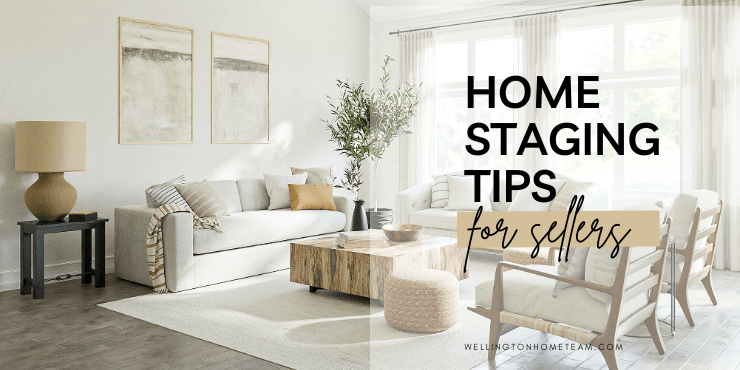
Home staging is not about decorating or making your home look trendy. It is about positioning your property so buyers immediately understand its value, see how the space functions, and can picture themselves living there. When done correctly, staging helps your home feel cleaner, larger, brighter, and more move-in ready.
Staged homes consistently sell faster and often attract stronger offers. Even small improvements in presentation can increase showing activity and reduce time on market. Many agents report that staged homes can receive offers 1 to 10% higher while selling more quickly. In Wellington, where buyers often tour multiple homes in one day, the properties that feel polished and easy to understand tend to stand out first.
That matters even more because buyers usually experience your home twice before making a decision. First online through listing photos, then in person. Strong staging supports both. It helps your home photograph better, show better, and leave a lasting impression.
Home staging is really about buyer psychology. Buyers are not just evaluating square footage or finishes. They are responding to how a home feels. A staged home feels calmer, more functional, and easier to maintain, helping buyers picture themselves living there instead of feeling like they are walking through someone else’s life.
Quick Navigation
- Step-by-Step Home Staging Checklist
- 10 Home Staging Tips Explained
- 5 Quick Wins for Busy Sellers
- Wellington-Specific Staging Considerations
- Is Home Staging Worth It?
- Home Staging Mistakes to Avoid
- Home Staging FAQ
Step-by-Step Home Staging Checklist
Here’s a quick overview of what to expect:
- Declutter and remove personal items
- Deep clean every surface
- Rearrange or remove furniture to improve flow
- Use neutral colors and simple decor
- Maximize natural and artificial light
- Address minor repairs and maintenance
- Enhance curb appeal and entry
- Stage key rooms first
- Create inviting outdoor spaces
- Do a final walkthrough before every showing
This checklist serves as your high-level roadmap. The real value comes in the detailed sections below, where you’ll learn why each step matters and how to apply it effectively in a competitive market like Wellington.
10 Home Staging Tips Explained
1. Declutter and Depersonalize
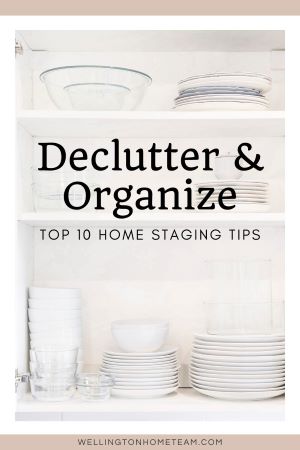
Decluttering is the foundation of effective staging. Buyers want to feel like your home has enough space for their belongings, and clutter can quickly make even a larger home feel tight or overwhelming.
Start by removing excess items from every room so spaces feel open and easy to navigate. The goal is to create visual breathing room, which helps your home feel larger, calmer, and more functional. A good rule of thumb is to remove at least half of what you currently have out, and in some areas, closer to 70 to 80 percent.
 Focus on:
- Clearing countertops and visible surfaces
- Reducing items in closets and storage areas
- Removing personal items and bold decor
Closets are especially important. Buyers will open them, and if they are packed full, it gives the impression that there is not enough storage. Leave space between hanging items, reduce the number of shoes or bins on the floor, and keep shelves neatly arranged. Storage that looks manageable gives buyers confidence.
Depersonalizing is just as important. Family photos, memorabilia, collections, children’s artwork, and highly specific decor can make it harder for buyers to imagine themselves living in the home. The goal is not to make the home cold or empty. It is to create a neutral environment that appeals to as many buyers as possible.
This is also where many sellers accidentally hurt their presentation by going too far in the wrong direction. Too many decorations, themed rooms, excessive accessories, or furniture that overwhelms a space can work against you.
Packing early can also make this step easier. As you declutter, consider boxing up items you won’t need before moving day. It not only helps your home show better, but it also saves time and reduces stress once you’re under contract. If you’re unsure what to pack and when, here’s a helpful guide on packing before listing your home for sale.
When you declutter correctly, buyers are better able to focus on what they are really buying: the size of the room, the amount of storage, the natural light, and the overall condition of the home. That is why decluttering is often the highest-return staging step you can take.
2. Deep Clean Every Surface
A clean home signals value and proper maintenance. Buyers notice details, and even small issues can leave a negative impression. Cleanliness affects how buyers feel in the home, and that feeling influences how they judge its overall condition.
Focus on high-impact areas first. Kitchens and bathrooms should be spotless, and all visible surfaces throughout the home should feel clean and well-maintained. If a buyer sees fingerprints, soap scum, dust buildup, or grime in obvious places, they may assume hidden maintenance has been overlooked as well.
 Focus on:
- Kitchens and bathrooms (grout, sinks, appliances, counters)
- Floors, baseboards, doors, and windows
- High-touch areas like handles, switches, and fixtures
Pay attention to often-overlooked areas such as light switches, door handles, ceiling fans, vents, window tracks, and the tops of doors. These small details add up quickly and influence how polished the home feels.
Smell is just as important as appearance. Pet odors, cooking smells, mildew, or musty air can turn buyers away quickly. Address odors at the source rather than trying to cover them up. If you’re unsure what actually works, these tips for making your home smell good when selling can help. Wash pet bedding, deep clean soft surfaces if needed, empty trash promptly, and keep the home smelling neutral. Strong fragrances can feel artificial and sometimes make buyers wonder what is being hidden.
A clean home does more than look nice. It helps buyers relax, makes the property feel cared for, and reinforces the message that the home is move-in ready and has been maintained thoughtfully over time.
3. Keep Colors and Finishes Neutral
Neutral finishes help buyers focus on the home, not the decor. Bold paint colors, heavily themed rooms, and highly personalized finishes can distract from the features buyers should be noticing.
Soft whites, warm whites, light grays, beige tones, and other neutral shades are usually the most effective choices. These colors tend to make spaces feel brighter, cleaner, and more current. Choosing the best white paint colors for selling a home can make a noticeable difference in both photos and in person. They also photograph well, which matters because listing photos are often the first showing your home receives.
If your home has dark, dated, or highly specific paint colors, repainting is often one of the most cost-effective updates you can make before listing. Fresh neutral paint can transform how a home feels in both photos and in person. It also helps buyers mentally move in faster because they do not feel like they are inheriting someone else’s style.
Neutral does not mean boring. A staged home can still feel warm and inviting. The key is to keep the background simple so buyers notice the room, the light, and the layout instead of the decorating choices.
4. Improve Furniture Layout and Flow
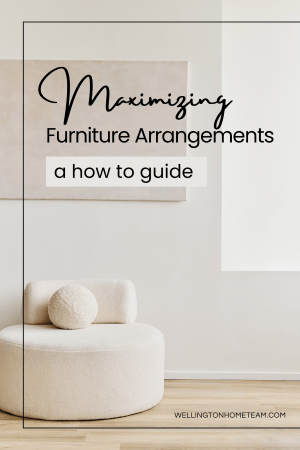
Furniture placement directly affects how spacious a home feels. In many cases, sellers do not need more decor or furniture. They need less. Too much furniture, oversized pieces, or awkward placement can make a room feel smaller and less functional than it really is.
Arrange furniture to create clear walking paths and highlight each room’s purpose. Buyers should be able to move through each room comfortably without navigating around obstacles. This is especially important during showings, when multiple people may be touring the home at once.
 Focus on:
- Maintaining clear walking paths (ideally around 36 inches wide)
- Removing oversized or unnecessary furniture
- Creating open, easy-to-navigate layouts
Look carefully at each room and ask whether the current furniture helps the space or competes with it. Sometimes removing one chair, side table, or extra cabinet completely changes how open the room feels. Furniture should support the scale of the room rather than overwhelm it.
Each room should also have a defined purpose. A spare room should feel like a home office, guest room, fitness area, or flex space, not a catchall storage room. Defined spaces help buyers understand how they would live in the home and make the layout easier to interpret.
5. Maximize Light and Brightness
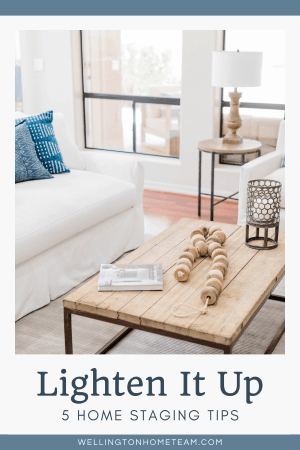
Bright homes feel larger, cleaner, and more inviting. Natural light is one of the most appealing features in a home, and staging should help you make the most of it.
Open blinds, pull back curtains, and clean windows so that as much light as possible enters the home. If heavy drapes block light or make a room feel dark, consider removing them or replacing them with something lighter while the home is on the market.
 Focus on:
- Opening all blinds and curtains before showings
- Cleaning windows to maximize natural light
- Adding lamps to brighten darker areas
- Using consistent bulb temperatures throughout the home
- Removing heavy window treatments that block natural light
Use layered lighting to improve overall brightness. Ceiling fixtures alone are not always enough. Add lamps where needed to brighten dim corners and make rooms feel warmer. Replace burned-out bulbs and make sure all fixtures are working properly before showings.
Walk through your home with every light on and look for areas that still feel gloomy. Buyers respond strongly to brightness because it influences how fresh and spacious a room feels. Mirrors can also help reflect light and make rooms feel larger when used thoughtfully.
Light supports buyer confidence. A bright room feels better maintained, more cheerful, and easier to live in. That emotional response matters more than many sellers realize.
6. Address Repairs and Deferred Maintenance
Visible issues create doubt for buyers. Small problems like chipped paint, dripping faucets, loose hardware, worn caulking, cracked outlet covers, sticking doors, or scuffed walls may seem minor, but together they can change the way a buyer views the home.
When buyers notice obvious deferred maintenance, they often start looking harder for other problems. A home that should feel move-in ready starts to feel like a project. That shift in perception can hurt both interest and offers.
Before listing, focus on:
- Touching up paint and patching small wall damage
- Fixing dripping faucets and running toilets
- Tightening loose handles, knobs, and hardware
- Replacing worn caulking in kitchens and bathrooms
- Making sure all lights and fixtures are working
Walk through the home with a critical eye and create a repair list that addresses anything that stands out visually. These are usually inexpensive fixes, but they make a meaningful difference. Taking care of these items before listing helps buyers stay focused on the positives. It also reinforces the idea that the property has been cared for, which helps build trust during both showings and inspections.
If you want to take it a step further, a pre-listing home inspection can help identify issues before buyers ever see the property, allowing you to address concerns on your timeline instead of reacting to them during negotiations.
7. Boost Curb Appeal
First impressions happen before buyers walk through the front door. The exterior of your home sets the tone for the entire showing. If buyers feel underwhelmed or skeptical before they enter, the inside has to work harder to overcome that first impression.
Keep the exterior clean, simple, and well-maintained so buyers immediately feel confident about the home. Small updates can make a big difference in how the property is perceived from the street, especially in a competitive market like Wellington. Attention to these details helps set a positive tone before buyers ever step inside.
Focus on:
- Maintaining landscaping and refreshing mulch
- Cleaning driveways, walkways, and entry areas
- Updating small details like house numbers, lighting, and the front door
These types of improvements can go a long way when it comes to elevating curb appeal when selling a home. If your home will be shown in the evening, outdoor lighting matters too. A well-lit exterior feels safer, more polished, and more inviting. Just like interior staging, exterior staging works best when it feels simple, clean, and intentional.
8. Stage Your Home Room by Room
Once the core staging steps are complete, the next layer is evaluating each space individually. Buyers experience homes room by room, so each area should feel intentional, functional, and easy to understand. For specific guidance on what to do in each space, the room-by-room staging guide walks through every room from the exterior to the bathrooms with practical, actionable steps.
9. Focus on High-Impact Areas
While every room should feel clean and functional, not every space needs the same level of attention. If you cannot stage every room equally, focus on the areas that have the greatest impact on buyers.
Prioritize:
- Living room and main gathering areas
- Kitchen and dining spaces
- Primary bedroom and bathrooms
- Main outdoor living areas
These are the rooms buyers tend to notice and remember. Strong presentation in these areas can shape the way buyers feel about the whole property. A beautifully staged main living area and kitchen can carry a lot of weight, even if a secondary bedroom or utility room is more basic.
This is especially helpful for sellers working with limited time or budget. Put your energy where it will have the greatest influence on photos and showings. A staged home does not need to feel perfect everywhere. It needs to feel compelling where buyers care most.
10. Final Touches Before Showings
Presentation right before a showing still matters. Even a well-staged home can lose impact if it feels rushed, dark, or slightly messy at showing time. If you want a real-world example of how everything comes together, take a look at how a Realtor prepares their own home for sale.
 Before each showing, turn on lights, open blinds, make beds, straighten pillows, wipe surfaces, and do a quick walkthrough of the main living areas, kitchen, and bathrooms. Put away pet items if possible. Empty the trash. Make sure the home feels calm and ready.
These final touches reinforce the impression that the home is well cared for. They also help preserve the work you put into staging. Buyers may not consciously notice every detail, but they absolutely notice the overall feeling a well-prepared home creates.
Top 5 Quick Wins for Busy Sellers
If you only have a weekend (or less) to prepare, focus on these five actions first. They deliver fast, noticeable improvements with minimal time and cost.
- Remove 70% of items from countertops and all visible surfaces
- Open every blind and turn on all lights before showings
- Replace bedding and towels with fresh, neutral options
- Pack away family photos, personal collections, and bold decor
- Add simple seating to patios, lanais, or other outdoor areas
Bonus low-cost touches that make a big difference: Add fresh flowers or greenery with low-cost flower delivery, use mirrors to bounce light into darker corners, and remove extra side tables or chairs that make rooms feel crowded. For outdoor spaces, even a couple of simple chairs can help buyers visualize how they’ll actually use the patio or pool area.
Wellington-Specific Staging Considerations
Wellington buyers often prioritize lifestyle, functionality, and outdoor Florida living. Staging should help buyers quickly see how the home supports everyday living, not just how it looks.
Focus on what matters most locally:
- Outdoor living: Patios, pools, and backyards should feel like extensions of the home with simple, inviting seating areas.
- Views and lot size: Keep sightlines open to highlight lake views, preserve views, or larger lots.
- Functionality: Organized storage, flexible spaces, and clean utility areas help buyers understand how the home works.
- Equestrian or larger properties: Emphasize usability with tidy work areas, barns, or storage spaces.
- Everyday livability: Keep spaces simple, uncluttered, and easy to maintain for busy households.
The goal is to create a home that feels clean, functional, and easy to step into from day one while highlighting the features Wellington buyers care about most.
Is Home Staging Worth It?
For many sellers, the answer is yes. Staging helps buyers picture themselves living in the property, and that emotional connection can influence both showing activity and offers. It can also reduce friction when buyers compare your home to others they have already seen.
Staging often leads to:
- Faster sales
- Stronger offers
- More interest from listing photos
- A solid return compared to the cost
One of the biggest benefits of staging is how it improves listing photos. Because so many buyers begin their search online, the way your home looks in photos can determine whether they schedule a showing at all. A clean, bright, well-staged home is more likely to stand out on the screen and in person.
Staging does not always require hiring a professional stager or spending heavily on furniture and accessories. In many cases, the most effective changes are decluttering, cleaning, rearranging furniture, neutralizing decor, and improving outdoor presentation. For vacant homes or sellers working within a budget, virtual staging can be an effective way to enhance listing photos and help buyers visualize the space.
The key question is not whether staging makes a home look nicer. It is whether it helps buyers understand the value of the home faster and more clearly. In most cases, that answer is yes.
Common Home Staging Mistakes to Avoid
Even well-intentioned sellers can overdo staging or focus on the wrong details. Over-decorating, using too much furniture, staging for personal style instead of function, and filling every surface with accessories are among the most common missteps. When staging feels forced or cluttered, it works against you.
For a full breakdown of what to avoid and why it matters, see the complete guide to ugly home staging mistakes that turn buyers off.
Need Help Preparing Your Home for Sale?
Schedule a free in-home staging consultation to prioritize the updates that will make the biggest difference for your Wellington home.
If you are unsure where to start, I can help you focus on the changes that will improve presentation, attract buyers, and maximize your sale price. Whether you need help deciding what to remove, what to update, or how to stage each room for photos and showings, I can help you create a practical plan before your home hits the market.
Contact Michelle Gibson for personalized staging guidance before listing your Wellington home.
Home Staging FAQ
Do I need professional staging?
No, many sellers can achieve strong results with basic staging steps, strategic furniture placement, deep cleaning, decluttering, and neutral presentation.
Should I stage a vacant home?
Yes, vacant homes often benefit from staging or virtual staging because buyers can struggle to understand scale, layout, and function in empty spaces.
How much does staging cost?
Costs vary, but many effective staging improvements are low-cost or DIY, especially decluttering, cleaning, paint touch-ups, lighting updates, and simple furniture adjustments.
What rooms matter most?
Living areas, the kitchen, primary bedroom, bathrooms, and main outdoor spaces usually have the biggest impact on buyers.
Is decluttering important?
Yes, decluttering helps rooms feel larger, more functional, and easier for buyers to picture as their own.
How should I stage outdoor spaces in a Florida climate?
Keep outdoor spaces clean, simple, and easy to maintain. Define seating areas, keep pools sparkling, refresh mulch, and make sure patios and walkways look ready for everyday use and entertaining.
Is virtual staging effective for vacant homes?
Yes, virtual staging can be effective for vacant homes because it helps buyers understand layout, scale, and possible furniture placement when browsing online listings.
Please consider spreading the word and sharing: Home Staging Tips for Sellers in Wellington FL
About the Author
Top Wellington Realtor, Michelle Gibson, wrote this home staging guide for sellers in Wellington, FL.
Michelle has been specializing in residential real estate since 2001 throughout Wellington, Florida and the surrounding area. She has helped buyers and sellers navigate every step of the process across a wide range of property types, including gated communities, lakefront homes, and equestrian-oriented properties.
Areas of service include Wellington, Lake Worth, Royal Palm Beach, Boynton Beach, West Palm Beach, Loxahatchee, Greenacres, and more.