
What Buyers Regret Most After Closing (And How to Avoid It)
The excitement of buying a home often peaks at closing day. The paperwork is signed, the keys are handed over, and the hard part feels finished. For many buyers, though, reality sets in shortly after move-in. Many buyers don’t realize that buyer regret after closing (often called buyer’s remorse after closing) is one of the most common emotional responses to purchasing a home, even when the home is a great fit.
After working with buyers across Wellington and throughout South Florida, the same concerns come up again and again. Many experience buyer’s remorse after buying a house, often not because of one major mistake, but due to small things that were overlooked, rushed, or misunderstood during the buying process.
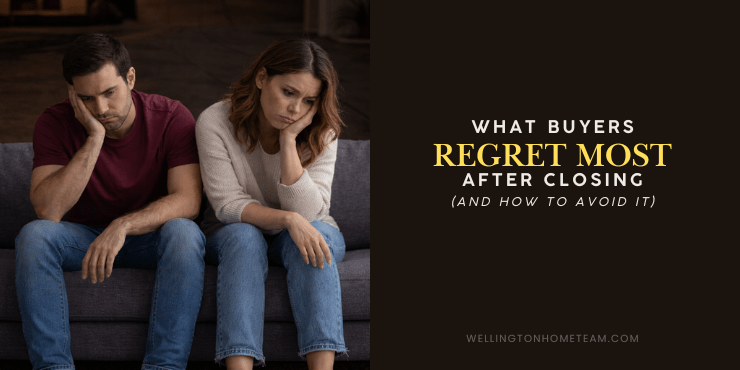
The good news is that nearly all of these regrets are avoidable. Below are the most common things buyers regret after closing, along with practical ways to prevent buyer regret before you buy.
Quick Reference: Top Regrets vs. Proactive Solutions
Below is a quick comparison of the most common buyer regrets after closing and how to prevent them before you buy.
| The Common Regret | The “Pro” Solution Before Closing |
|---|---|
| Unexpected Monthly Costs | Request a “Full Carry Cost” estimate including tax reassessments. |
| Commute & Neighborhood Noise | Drive the route at 8:00 AM on a weekday and 10:00 PM on a weekend. |
| HOA Restrictions | Read the “Rules & Regs” specifically regarding parking and pets. |
| Maintenance Surprises | Attend the inspection and ask for the “remaining life” of major systems. |
What Do Buyers Regret Most After Closing?
Buyer’s remorse after buying a house is the doubt or second guessing some buyers feel after closing, usually triggered by overlooked costs, rushed decisions, or surprises that show up after move-in. Many buyers also refer to this feeling as homebuyer remorse.
The most common buyer regrets after closing include underestimating monthly costs, rushing inspections, overlooking HOA rules, and letting emotion override practical concerns. These mistakes are rarely deal breakers, but they often cause stress and second guessing after move-in. Knowing what to watch for before you buy helps prevent buyer’s remorse later.
1. Regret: Underestimating the True Monthly Cost of Homeownership
Many buyers focus on qualifying for the mortgage payment and feel confident once they receive loan approval. After closing, they realize their monthly housing cost is much higher than expected. This usually happens when buyers underestimate property taxes, homeowners insurance, HOA dues, utilities, or ongoing maintenance. In Florida, insurance premiums and tax adjustments after a sale can change monthly expenses significantly.
Expert Insight: Florida property taxes are reassessed after a home sale. Do not rely on the seller’s current tax bill as your guide; your new assessed value will likely be much higher once the prior owner’s homestead exemption and “Save Our Homes” cap are removed.
How to avoid it: Before making an offer, review a full monthly cost estimate that includes adjusted property taxes, homeowners insurance, HOA dues, and a maintenance cushion. If you are unsure how these numbers come together, this guide explains the buying process step by step: How to Buy a House: A Step-by-Step Guide.
2. Regret: Falling in Love with the House and Ignoring the Location
A home can look perfect during a showing and still feel wrong once daily routines begin. Buyers often regret not paying closer attention to traffic, noise, commute time, or the surrounding area. This regret shows up quickly after closing when school schedules, work commutes, and errands become part of everyday life.
How to avoid it: Visit the neighborhood at different times of day, including mornings and evenings. Drive the routes you will use most often. Walk the area if possible. A home can be renovated, but the location cannot be changed.
3. Regret: Rushing the Home Inspection Process
Some buyers treat the inspection period as a formality or feel pressured to move quickly, especially in competitive markets. Later, they regret not fully understanding the condition of the home. Common home inspection issues include aging roofs, HVAC systems nearing the end of their lifespan, drainage problems, or signs of moisture that were easy to overlook during a short showing.
How to avoid it: Read the inspection report carefully, not just the summary. Ask questions about major systems and future maintenance costs. In South Florida, pay extra attention to the wind mitigation inspection and 4-point inspection reports, as these directly impact your insurance eligibility and costs.
4. Regret: Not Reviewing HOA Rules and Assessments Closely Enough
HOA communities are common in Wellington, and buyers often assume the rules will not affect them. After closing, they discover restrictions on rentals, vehicles, exterior changes, or approval timelines that they did not expect. Furthermore, many buyers regret not asking about “Special Assessments.” These are one-time fees for major community repairs (like new roofs or road paving) that can cost thousands of dollars.
How to avoid it: Review the HOA documents during the contract period, not after closing. Pay close attention to rental policies, parking rules, and enforcement practices. Ask for the last two years of board meeting minutes to see if any major assessments are being discussed. If HOA issues are not clear, this article explains how they can impact a sale: What Are HOA Violations and Can They Blow Up a Home Sale?.
5. Regret: Buying for Today Without Thinking Ahead
Many buyers choose a home that works for their current situation but feels limiting sooner than expected. This is common with growing households, remote work changes, or buyers planning to stay long term. Think about how you will use the home over the next several years. Consider storage, layout flexibility, stairs, and workspace needs.
How to avoid it: A home should support your lifestyle now and still make sense later. Ask yourself: “If I needed to work from home full-time, is there a dedicated space that doesn’t involve the kitchen table?”
Avoid common buyer regret after closing. Learn what buyers wish they knew and how to prevent costly mistakes before you close on a home. #realestate #homebuying6. Regret: Ignoring Resale Considerations
Even buyers who plan to stay long term often move sooner than expected. When that happens, resale value becomes important. Buyers sometimes regret choosing a home with features that limit future appeal, such as a converted garage, a yard that backs up to a loud main road, or a floor plan with no “flow.”
How to avoid it: Pay attention to lot location, floor plan layout, and overall market appeal. Understanding why similar homes can sell for very different prices helps protect long-term value.
7. Regret: Not Budgeting for Immediate Changes After Closing
After moving in, buyers often realize they need to spend money right away on paint, flooring, window treatments, lighting, or minor repairs. When this is not planned for, it creates financial stress early on.
How to avoid it: Create a post-closing budget before you buy. Decide which updates are necessary right away and which can wait. A “Move-In Fund” of 1-2% of the home’s price can help cover these initial surprises without draining your emergency savings.

8. Regret: Letting Emotion Override Practical Concerns
Buying a home is emotional, especially in competitive markets. Buyers sometimes ignore red flags—like a musty smell in the laundry room or a cracked pool deck—because they fear losing the property or believe issues will be easy to fix.
How to avoid it: Revisit the home with a practical mindset. Pay attention to noise, layout flow, lighting, and maintenance needs. Review seller disclosures carefully. If you want a refresher on how disclosures work, this guide explains it clearly: What Is a Seller’s Disclosure in Real Estate?.
9. Regret: Not Asking Enough Questions About the Small Stuff
Buyers often assume they understand contract terms, timelines, or listing language. After closing, they realize they misunderstood something—like whether the expensive chandelier was included or if the smart home system stays with the house.
How to avoid it: Ask questions at every stage of the process. From MLS status to offer terms, clarity matters. Ensure all “fixtures” you expect to keep are explicitly listed in the contract. This guide breaks down common listing terms buyers see every day: MLS Status Guide: What Each Term Means.
10. Regret: Feeling Rushed or Unsupported During the Buying Process
One of the biggest regrets buyers mention is feeling pressured to move forward or not fully understanding their options. This often leads to second guessing after closing.
How to avoid it: Work with someone who explains the process clearly, reviews details with you, and helps you weigh decisions rather than rush them. Buying a home should feel informed, not stressful. A great agent acts as a buffer between your emotions and the high-pressure environment of a real estate transaction.
If you are buying in Wellington or nearby areas and want a clearer picture of costs, inspections, and resale factors before making an offer, a personalized review can help prevent these regrets before they happen.
Final Thoughts on Avoiding Remorse
Buyer regret usually does not come from one big mistake. It comes from small oversights that add up after closing. Taking the time to understand costs, location, condition, and rules before you buy can make a lasting difference in how you feel about your home for years to come.
Frequently Asked Questions About Buyer Regret
Is it normal to have buyer’s remorse after buying a house?
Yes. Many buyers experience buyer’s remorse shortly after closing. This usually happens once the excitement fades and the reality of ownership, expenses, and responsibility sets in. In most cases, the feeling is temporary and improves as buyers settle into their routine.
Is buyer’s remorse a sign you made a bad purchase?
No. Buyer’s remorse is common and does not automatically mean the purchase was a mistake. It often reflects the emotional adjustment to a major financial decision rather than a problem with the home itself.
What is the 3-3-3 rule in real estate?
The 3-3-3 rule is a general guideline buyers use to evaluate a home. It suggests spending three days deciding if you like the home, three weeks to notice issues once living in it, and three months to feel fully settled.
What do most first-time home buyers regret?
First-time buyers most often regret underestimating monthly costs, overlooking maintenance responsibilities, and rushing decisions due to “FOMO” (fear of missing out).
What devalues a house the most?
From a buyer’s perspective, location issues, poor layout, unresolved maintenance problems, and high ongoing costs (like high HOA dues or insurance) tend to hurt value the most.
What is the biggest red flag in a home inspection?
Water-related issues such as roof leaks, drainage problems, mold concerns, and signs of ongoing moisture intrusion are often the biggest red flags. These can lead to structural damage and insurance difficulties.
How long does buyer’s remorse last after closing?
Buyer’s remorse typically fades within the first few months of ownership as buyers settle in, personalize the space, and establish routines.
Please consider spreading the word and sharing: What Buyers Regret Most After Closing (And How to Avoid It)
Avoid common buyer regret after closing. Learn what buyers wish they knew and how to prevent costly mistakes before you close on a home. #realestate #homebuyingAbout the Author
Michelle Gibson is a Realtor with Hansen Real Estate Group Inc. and has specialized in residential real estate since 2001 in Wellington, Florida, and nearby communities. She helps buyers and sellers make confident decisions with clear guidance on pricing, negotiations, inspections, and closing timelines.
Areas of service include Wellington, Lake Worth, Royal Palm Beach, Boynton Beach, West Palm Beach, Loxahatchee, Greenacres, and surrounding areas.