
What Wellington Buyers Notice First (That Sellers Often Miss)
Most sellers believe buyers decide based on price, square footage, or finishes. Those factors matter, but they are rarely what shape a buyer’s first impression. In Wellington, buyers form opinions long before they study a listing description or notice brand-name upgrades. The decision process starts earlier, moves faster, and is driven by perception.
When people search what buyers notice first when buying a home, they are usually trying to understand why showings feel flat, offers stall, or price reductions become necessary, especially in the Wellington market.
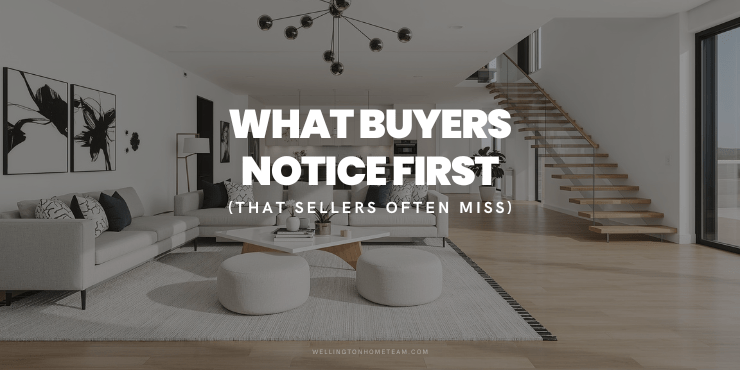
This is why some homes struggle despite good photos and competitive pricing. Sellers often focus on improvements they can see on paper, while buyers react to cues that are harder to measure but far more influential. Entry experience, neighborhood feel, noise patterns, traffic flow, and small condition details quietly determine whether a buyer feels confident or hesitant. Understanding the psychology of the Wellington buyer changes how a home should be prepared and positioned for the market.
In a market as nuanced as Palm Beach County, where equestrian estates sit minutes away from luxury HOA developments, the first impression is not just about the house. It is about the lifestyle transition. Sellers who master these subtle cues often see a much higher return on their preparation efforts.
The Entry Experience Shapes Everything That Follows
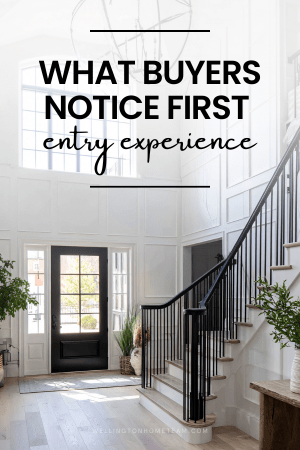
The moment a buyer turns onto the street or pulls through the gate, the evaluation has already begun. By the time they reach the front door, their brain has created a baseline expectation. In Wellington, entry experience starts earlier than most sellers realize.
Before the Front Door
Buyers are highly aware of the environment surrounding the property. They notice:
- Road conditions leading into the neighborhood, including the transition from main roads into residential side streets
- Landscaping consistency among neighbors, which sets the standard for the block
- Gate functionality in guard-gated communities, including wait times and how smoothly entry works
- Traffic patterns at peak hours, especially during school drop-off and pick-up
- Noise levels from nearby roads, local schools, or equestrian activity
These details signal how the home will feel in day-to-day life. A beautiful interior struggles to overcome a chaotic or neglected approach. If the journey to the front door feels stressful, the buyer often carries that stress inside.
The Walk to the Door
Once out of the car, buyers scan the exterior for quick confidence signals. They are sensitive to:
- Cracked driveways, uneven pavers, or visible stains
- Overgrown hedges, bare mulch beds, or tired landscaping
- Dirty exterior walls, spider webs in corners, or mildew buildup
- Worn entry doors, faded hardware, or a doorbell that does not work
These are small issues, but they set the tone. Buyers interpret them as signs of deferred maintenance, even when the interior is well-kept. Sellers often underestimate how much confidence is either built or lost before the door opens. If the exterior looks neglected, many buyers quietly assume the roof, AC, and plumbing may have been treated the same way.
Community Feel Matters More Than Sellers Expect
Wellington buyers rarely evaluate a home in isolation. They are buying into a neighborhood, a rhythm, and a sense of order or freedom, depending on the area.
HOA Communities
In HOA neighborhoods, buyers pay attention to:
- Uniformity and overall upkeep
- Condition of common areas
- Entry signage and landscaping
- How strictly rules appear to be enforced
Communities like Olympia, Versailles, and Castellina attract buyers who value structure, amenities, and predictability. If common areas feel tired or inconsistent, buyers worry about management stability, possible special assessments, and future resale strength. Even when a specific home is immaculate, buyers subconsciously factor the broader environment into their comfort level.
Non-HOA Communities
In non-HOA neighborhoods, buyers focus on:
- Neighboring property upkeep
- Street parking patterns
- Traffic shortcuts through the area
- Noise from work vehicles, trailers, or recreational use
In communities like Sugar Pond Manor and Greenview Shores, flexibility is part of the appeal. Buyers expect variety. What they still want, however, is a sense of balance. Too much disorder triggers hesitation, even among buyers seeking fewer restrictions. Sellers sometimes assume buyers will separate their home from the neighborhood. In reality, buyers blend the two together in their decision-making process.
Noise, Traffic, and Flow Are Felt, Not Measured
One of the biggest gaps between seller expectations and buyer reactions involves sensory experiences such as noise and movement. These factors are difficult to show in photos, but they can influence a buyer immediately.
Traffic Patterns
Buyers notice:
- Backup at community entrances
- School pickup congestion
- Cut-through traffic during rush hours
- Speed of cars on residential streets
These patterns are difficult to capture in photos but are obvious during showings. Sellers who live with these conditions often tune them out. Buyers, especially those relocating, do not.
Sound Awareness
Wellington buyers are especially sensitive to:
- Road noise near major corridors
- School bells or athletic events
- Equestrian activity schedules
- Neighboring pool pumps or AC units
Even low-level noise can create a sense of unease. Buyers may not articulate it clearly, but it shows up as longer decision times, second thoughts, or reduced offers.
Interior Flow and First-Moment Navigation
Flow matters inside the home as well. Buyers react to:
- Awkward furniture placement
- Tight hallways
- Poor transitions between rooms
- Confusing layouts near entries
When flow feels off, buyers blame the house, not the staging. This is why thoughtful preparation often outperforms expensive upgrades.
Small Condition Issues Create Outsized Hesitation
Most real estate deals are not lost over major defects. They are lost over accumulation.
Buyers notice:
- Sticky doors
- Flickering lights
- Loose handles
- Cracked outlet covers
- Stained grout
- Misaligned cabinet doors
Each issue is minor on its own. Together, they create doubt.
Buyers begin to ask themselves:
- What else has been overlooked?
- How well has this home been maintained?
- What surprises will show up after inspection?
Sellers often ignore these details because they are inexpensive or familiar. Buyers interpret them as risk. This is why homes that feel almost ready often underperform compared to homes that feel complete.
What Buyers Notice First vs What Sellers Think Matters
One of the easiest ways to align preparation with buyer perception is to separate what buyers react to immediately from what sellers tend to prioritize.
Buyers often notice first:
- How the home feels from the street to the front door
- Whether the neighborhood looks consistent and cared for
- Noise, traffic, and the overall rhythm of the street
- Small maintenance signals that add up quickly
Sellers often focus on:
- Upgrade receipts and brand-name finishes
- Square footage and price per square foot arguments
- Big projects that do not improve livability
- Hidden improvements while visible wear stays unresolved
Buyers respond more to clarity and confidence than to price tags. When preparation matches what buyers feel first, the home tends to show better and negotiate cleaner.
Why Sellers Focus on the Wrong Improvements
Many sellers invest time and money into projects that buyers either do not notice or do not value as much as expected.
Common missteps include:
- Over-customized renovations
- Expensive fixtures without a cohesive design
- Major upgrades that do not improve livability
- Ignoring visible wear in favor of hidden improvements
Buyers respond more to clarity and confidence than to price tags. A home that feels clean, calm, and complete consistently outperforms one with expensive upgrades but unresolved basics.
Practical steps like staging your home room by room, addressing overlooked details, and using proven home staging tips remove hesitation and keep attention where it belongs. The goal is not to impress. It is to make the home feel easy to say yes to.
Buyers Are Comparing More Than Sellers Realize
Every showing is a comparison exercise.
Buyers are asking:
- How did the last house feel?
- Did I feel calmer there?
- Was it easier to picture daily life?
- Did anything bother me here that did not bother me before?
Homes do not compete only on price. They compete on ease, confidence, and emotional comfort. This is especially true in competitive Wellington neighborhoods where buyers may see multiple homes in a single day. The house that removes friction often wins, even if it is not the most upgraded.
How This Impacts Pricing and Days on Market
Homes that miss the mark on first impressions often experience:
- Longer days on market
- More price reductions
- Stronger buyer objections
- Inspection renegotiations
These outcomes are frequently misattributed to market conditions or pricing strategy. In reality, perception gaps are the underlying issue.
Homes that align with buyer expectations from the first moment tend to:
- Generate stronger early interest
- Receive cleaner offers
- Avoid repeated price adjustments
- Maintain leverage during negotiations
This applies across HOA and non-HOA communities alike.
Preparing With Buyer Perception in Mind
The most effective preparation strategies focus on:
- Entry experience from street to door
- Noise and flow awareness
- Eliminating small condition distractions
- Creating emotional clarity
This approach does not require perfection. It requires intention. Sellers who understand what Wellington buyers notice first position their homes more accurately, price more confidently, and move through the transaction with fewer surprises.
Final Thoughts
Buyers decide how they feel about a home before they analyze it. Sellers who understand this gain an advantage that price alone cannot create.
In Wellington, perception is shaped by entry experience, neighborhood feel, subtle condition cues, and how easy a home feels to live in. Sellers who focus on the right details often outperform those who chase the wrong upgrades.
Homes that feel complete, calm, and confident stand out quietly. And in today’s market, quiet confidence is often what sells first.
Frequently Asked Questions
What do buyers notice first when touring a home in Wellington? Buyers notice the entry experience, curb appeal, neighborhood feel, noise levels, and overall maintenance before they focus on price or upgrades. These early impressions shape confidence and influence how the rest of the showing is perceived.
Do small cosmetic issues really affect buyer decisions? Yes. Minor issues like sticky doors, worn hardware, or stained grout can create hesitation when they add up. Buyers often interpret these details as signs of deferred maintenance rather than isolated problems.
Why do buyers lose interest after a showing? Buyers often lose interest when small friction points stack up, such as exterior wear, awkward flow, noise, or obvious maintenance issues. Even if they cannot name one big problem, the overall experience can feel stressful or uncertain.
How important is staging compared to renovations? Staging often has a greater impact than renovations because it improves flow, highlights how spaces function, and removes distractions. Buyers respond more strongly to clarity and comfort than to expensive upgrades that do not improve livability.
Do HOA and non-HOA communities influence buyer perception differently? They do. In HOA communities, buyers focus on consistency, common area upkeep, and management signals. In non-HOA areas, buyers pay closer attention to neighboring properties, street patterns, and overall balance.
Please consider spreading the word and sharing: What Wellington Buyers Notice First (That Sellers Often Miss)
What Wellington buyers notice first when touring homes and why small details sellers overlook can affect showings, offers, and days on market. #wellingtonfl #realestateAbout the Author
Michelle Gibson has specialized in residential real estate throughout Wellington and surrounding Palm Beach County communities since 2001. She helps buyers and sellers navigate neighborhoods, pricing, and preparation with clarity and confidence.
Areas of service include Wellington, Lake Worth, Royal Palm Beach, Boynton Beach, West Palm Beach, Loxahatchee, Greenacres, and surrounding communities.