
How to Sell a Home with Pets | 3 Pro Tips
Selling a home with pets takes a little more preparation than selling one without. Even a well-behaved pet can leave behind odors, fur, stains, and scratches, on top of the added challenge of getting pets out of the house every time a buyer wants to see it.
The goal isn’t to pretend you don’t have a pet. It’s to make the home as clean, neutral, and easy to show as possible so buyers can focus on the property rather than the pet. After helping sellers work through this exact situation, three things matter most: clean, repair, and remove.
Dogs and cats get most of the attention, but the same principles apply if you have birds, fish, rabbits, ferrets, rodents, or reptiles. Whatever type of pet you have, it can affect how buyers perceive your home if it isn’t addressed before listing. These three tips are specifically for homeowners selling with pets. For my complete approach to preparing a home for sale, see how a Realtor prepares their own home for sale.
3 Tips for Selling a Home with Pets
1. Clean, Clean, Clean
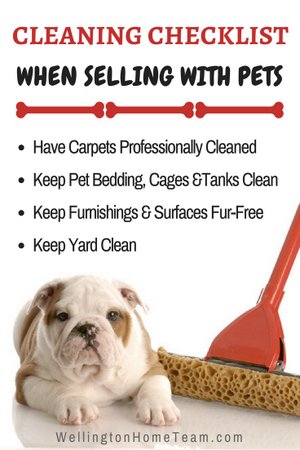
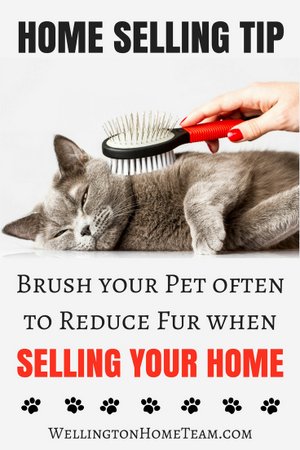
Before putting your home on the market, it’s important to have it deep cleaned from top to bottom. This includes having your carpets professionally cleaned, but if cleaning won’t fully solve the problem it may be best to replace it, in a neutral color rather than something taste-specific like pink, green, or blue. For tile flooring, have it professionally cleaned as well, since dirt and urine from any accidents can get embedded in the grout. If you have a pet that sheds, remove fur from every surface and piece of furniture, not just the obvious ones.
A few spots pet owners often overlook: baseboards, the wall around food and water bowls, the lower half of doors, window sills and coverings, under furniture, air return vents and filters (especially relevant here in Florida, where the AC runs most of the year), pet beds and crates, litter boxes and the area around them, and outdoor spots like the patio, pool deck, or turf where a pet spends time.
A home can be clean and still smell like pets. Soft surfaces like carpet, rugs, upholstered furniture, and pet bedding can hold onto odor even after they look clean, and it’s easy to become nose-blind to a smell you live with every day. If you’re not sure, ask someone who doesn’t live in the home for an honest opinion.
If your home has a noticeable pet odor, don’t reach for candles, plug-ins, or heavily scented products to cover it up. Buyers often notice the odor underneath anyway, and a strong fragrance can make them wonder what you’re trying to hide. Identify and address the source instead, and then use something natural that makes your home smell good.
Cleaning Checklist
- Have carpets professionally cleaned
- Keep pet bedding, cages, and tanks clean
- Keep furnishings and surfaces fur-free
- Clean baseboards, vents, and other overlooked spots
- Keeping the yard, patio, and pool deck clean is a must
2. Repair & Replace
Not every pet is destructive, but some are, especially puppies and kittens. Look for scratched doors and trim, chewed baseboards, damaged screens, carpet snags or stains, damaged blinds, and marks on window sills or door frames. Repair what you can before listing, since pet damage, like any other damage, isn’t appealing to buyers unless the home is being sold as a fixer-upper.
Having a pet doesn’t automatically mean you need to replace the flooring, repaint the whole house, or take on an expensive renovation. Figure out whether cleaning or a relatively inexpensive fixes solves the problem first. If you’re weighing whether a bigger repair is actually worth it, that’s exactly the question are you wasting money preparing your home for sale answers.
Repair Checklist
- Repair damaged baseboards and scratched doors
- Replace or repair carpeting with snags or stains
- Repair or replace damaged blinds
- Repair, replace, or remove damaged furniture
3. Remove, Remove, Remove
Showing your home with pets can be challenging, especially with a free-roaming pet like a dog or cat. Since you shouldn’t be home for showings, your pet shouldn’t be either, and that means removing both the pet and the evidence that a pet lives there.
A loose or unsecured pet also creates an unnecessary safety and liability concern during showings. Would you trust a stranger with your pet? A free-roaming pet might slip out of the house, or someone may let a caged pet out without meaning to. Even without that risk, not everybody loves pets. Some buyers have allergies, and others are genuinely afraid of them.
I’ve had more than one buyer refuse to enter a home because they were afraid of the pet, even when it was contained in a cage, and in some cases they didn’t want to come back for a second look. If you’re wondering who else needs to be present for a showing, who should attend home showings and why covers that in more detail.
If you have a dog and can’t remove it yourself for every showing, a dog walker is worth looking into. For a cat, a snake, or another pet that doesn’t go for walks, a temporary stay with a friend, family member, or boarding facility usually works better than trying to confine it to one room, since a buyer may want to see that room too, and an escaped pet during a showing creates a new problem.
For pets that live in an enclosure, such as birds, reptiles, or small animals, the priority is making sure the enclosure is secure and odor-free. A large or prominently placed tank or cage is also worth reconsidering if it makes a room feel smaller than it actually is.
In addition to removing your pets from the property, remove their belongings too: beds, cages, food bowls, toys, leashes, and pet furniture.
Removal Checklist
- Remove pets before showings
- Remove food and water bowls, toys, beds, and crates
- Remove litter boxes
- Put away leashes and other pet supplies
- Clean up any visible waste from the yard
Popular Questions When Selling a Home with Pets
What to do with dogs when selling house? To ensure the safety and well-being of your dog, it’s best to find a temporary solution that removes them from the house during showings. Options include taking them with you when you leave, hiring a dog walker for scheduled showings, or boarding them with a trusted kennel or doggy daycare facility.
What to do with cats during a house showing? Whenever possible, remove your cat from the home entirely during showings rather than confining it to one room. Options include taking your cat with you, having a friend or family member watch it temporarily, or boarding it for the day. A buyer may want to see every room, and a cat that gets out during a showing creates a different problem altogether.
Should I replace carpet because of pet odors? Not necessarily. Try a deep, professional cleaning first, as it may resolve pet odor and staining issues without the expense of replacement. Replacement is usually only necessary when the padding underneath has absorbed odor that cleaning can’t reach or when there’s visible, permanent damage.
Can pet odors affect the sale of a house? Yes. Odor is one of the fastest ways to lose a buyer’s interest, sometimes before they’ve even finished walking through. Buyers who notice a strong pet smell may assume there are other maintenance issues too, even if that isn’t actually the case.
Final Thoughts
You don’t need to pretend your pet doesn’t exist. You do want buyers to notice the house, not the evidence that a pet lives there. Clean thoroughly, repair the damage that’s actually worth repairing, and remove pets and their belongings before every showing. Those three steps go a long way toward helping buyers focus on the property instead of getting distracted by pet-related details.
Please consider spreading the word and sharing; How to Sell a Home with Pets | 3 Pro Tips
Are you getting ready to list your home for sale and have pets? If so you will want to follow these 3 pro tips for how to sell a home with pets. #homeselling #realestate
About the Author
Top Wellington Realtor, Michelle Gibson, wrote: “How to Sell a Home with Pets | 3 Pro Tips”
Michelle has been specializing in residential real estate since 2001 throughout Wellington Florida and the surrounding area. Whether you’re looking to buy, sell or rent she will guide you through the entire real estate transaction. If you’re ready to put Michelle’s knowledge and expertise to work for you call or e-mail her today.
Areas of service include Wellington, Lake Worth, Royal Palm Beach, Boynton Beach, West Palm Beach, Loxahatchee, Greenacres, and more.

Well said and to the point.