
Inexpensive Home Upgrades That Add Value to Your Home
Increasing your home’s value doesn’t require a full renovation. Some of the most effective upgrades cost very little and can be done in a weekend, while others take more planning but pay off when it’s time to sell. The trick is knowing which improvements buyers actually notice and which ones are simply nice for you to look at.
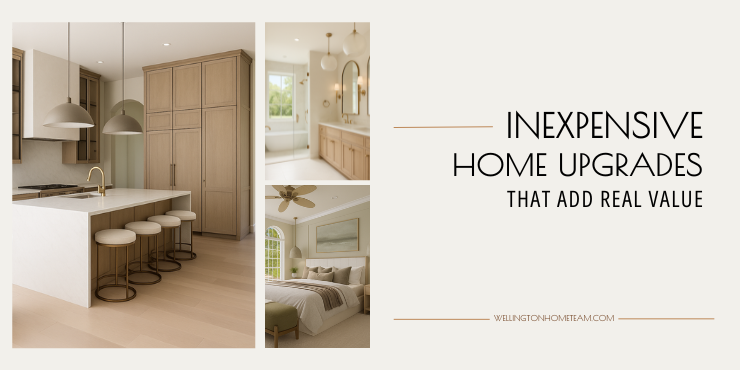
Not every upgrade increases resale value. Some improve buyer appeal without adding measurable dollars to your sale price, and a few can actually work against you. Below is a breakdown of the inexpensive upgrades worth doing, organized by area of the home, along with the upgrades that tend to disappoint sellers who expect a return that never comes.
Fix Problems Before Adding Upgrades
Before spending money on anything cosmetic, take care of the obvious maintenance issues first. Buyers are far more likely to notice a leaking faucet, damaged flooring, a broken fixture, a water stain, or a door that doesn’t close properly than they are to appreciate an expensive decorative upgrade sitting next to it.
If you’re deciding between making the house prettier and fixing something that’s visibly wrong, fix the problem first. A pre-listing home inspection is a good way to catch these issues early, before a buyer’s inspector finds them for you during negotiations.
Kitchen Upgrades That Make an Impact
The kitchen is one of the first rooms buyers judge, but a full remodel isn’t necessary to make an impression.
 Swapping cabinet hardware for modern pulls is one of the cheapest ways to make a kitchen feel current. A new faucet does the same thing for very little money, and buyers notice it immediately during a showing. If the cabinets themselves are dated but structurally sound, painting or refacing them costs a fraction of full replacement and delivers most of the visual benefit.
Peel and stick backsplashes are another low cost option worth considering if the existing backsplash looks tired. Declutter the countertops as well. An empty counter with a single bowl of fruit or a small plant reads as more spacious than one crowded with appliances, even in a small kitchen. If your kitchen is on the smaller side, a few design hacks for small kitchens can make it feel larger without a remodel.
Bathroom Refreshes Worth the Investment
Bathrooms don’t need a gut renovation to feel new. Replacing an old mirror with a modern framed one, updating faucets and towel bars to a matching finish, and swapping in white or neutral towels can make a dated bathroom feel like a spa without touching the tile or layout.
Open shelving with neatly stacked towels or a small plant adds a boutique feel for almost no cost. Regrouting or recaulking a bathtub or shower is inexpensive and removes one of the most common objections buyers have during a walkthrough. For more ideas specific to this room, see these bathroom updates that help sell a home.
Improve Lighting
Lighting has an outsized effect on how a home feels for very little money. Swap outdated overhead fixtures for something more current, add warm toned bulbs to soften harsh rooms, and bring in a floor or table lamp to any corner that feels dark. Updated exterior lighting near the entry adds a similar effect from the outside. Buyers notice light and shadow even when they can’t articulate why a room feels inviting or not.
Paint and Interior Updates
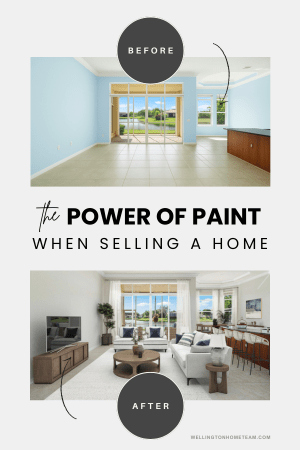
A fresh coat of paint is one of the most cost effective upgrades a seller can make. Stick to warm neutrals such as soft grays, greiges, or warm whites, since these colors help buyers picture their own furniture in the space rather than reacting to a bold personal choice. A greige paint color or a warm white are both safe, popular choices among home sellers right now. Touch up scuffed baseboards and trim while you’re at it.
If your home has an outdated popcorn ceiling, don’t automatically remove it yourself. Depending on the age of the home and the materials used, testing for asbestos may be appropriate before disturbing the ceiling, particularly in older South Florida homes. If testing confirms it’s safe to remove, smoothing or updating the ceiling can make a room feel more current and helps it feel taller and brighter.
Flooring Fixes That Don’t Require a Full Remodel
Flooring is one of the first things buyers notice when they walk through the door, and it doesn’t always need to be replaced. Refinishing hardwood or applying a wood polish can restore shine for a fraction of the cost of new floors.
For tile, have the grout lines deep cleaned and painted. Cleaning removes built-up dirt and grime, while painting the grout can dramatically improve the appearance of stained or discolored lines. This relatively inexpensive update can make older tile look much fresher without replacing it. For carpet, a professional cleaning in key rooms like the living room or primary bedroom is often enough, and area rugs can cover wear in the meantime.
Curb Appeal and Exterior Upgrades
The exterior of your home sets expectations before a buyer ever walks inside. A power wash of the property, driveway, and walkways removes years of grime for a small cost. Trim overgrown bushes, remove dead vegetation, and add a fresh layer of mulch, and keep up with routine lawn maintenance in the weeks leading up to listing. Potted plants near the entry and a modern house number add polish without a big investment.
Paint the front door in a deep, welcoming color, since it’s one of the most cost effective upgrades on this entire list and it’s the first thing buyers see in listing photos. If your garage door is faded or showing its age, cleaning it or giving it a fresh coat of appropriate paint can improve its appearance without the cost of full replacement. For more ideas in this area, these 8 ways to enhance curb appeal goes into more detail, and don’t overlook gutter cleaning, which buyers rarely think to check but agents often do.
Making Your Home Feel Move In Ready
Buyers respond to homes that feel move in ready, not homes that feel like a project. A thorough deep clean, including carpets, blinds, and ceiling fans, addresses things buyers may not consciously notice but will feel. Fix squeaky hinges, replace burnt out bulbs, and patch any nail holes or scuffed walls.
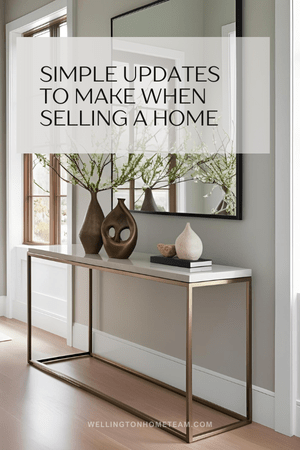 Storage matters too. Leave closets and cabinets partially empty so buyers can see the space rather than your belongings, and organize what remains with matching baskets or bins. A tidy garage or laundry room often gets overlooked by sellers but makes a real impression during a showing. In some cases, decluttering using self storage is the best option to clear rooms.
Staging plays into this same idea. You don’t need to hire a professional stager to make a home feel intentional rather than lived in, small adjustments to furniture placement and what’s left out on display go a long way. This guide to home staging and sale preparation(opens in new tab) walks through the basics if you want a deeper look at the process.
Upgrades That May Not Add Value
Before spending money, remember that an improvement and a value adding improvement aren’t necessarily the same thing. Not every upgrade pays off, and it’s worth knowing where the line is before spending money you won’t get back.
Upgrades that may not pay off:
- Highly customized finishes such as bold accent walls or custom wallpaper
- Over improving for the neighborhood with luxury finishes buyers in your price range aren’t expecting
- Converting a bedroom or other functional space into a highly specialized room
- Expensive landscaping features that require significant ongoing maintenance
- Cosmetic upgrades that hide a problem rather than fix it
- Major renovations started right before selling, without enough time to see them through properly
None of these upgrades are wrong to make for your own enjoyment. The point is simply to go in with realistic expectations about what will and won’t show up in your sale price. Popular choices like granite countertops, stainless appliances, or crown molding are often mistaken for automatic value adds, and it’s worth taking a closer look at which upgrades aren’t really upgrades before you commit your budget to them.
How to Decide Which Upgrades Are Worth It
The upgrades that pay off best are the ones that fix an obvious deficiency or bring your home in line with what similar homes nearby already offer. Before spending significant money on any upgrade, it’s worth asking a local Realtor what buyers in your specific market and price point actually care about, since this varies a great deal by neighborhood and by how competing listings are presented.
A good rule of thumb: inexpensive, broadly appealing updates like paint, cleaning, lighting, and curb appeal often pay off in buyer interest even if they don’t show up as a line item on an appraisal. Larger, more personal renovations should be weighed against what comparable homes in your area are already offering before you commit.
FAQ
What are cheap upgrades to increase home value?
Start with decluttering and a deep clean, then apply a fresh coat of neutral paint throughout. From there, focus on smaller details like lighting, faucets, and cabinet hardware, and finish with curb appeal improvements such as trimming bushes, pressure washing, and adding fresh mulch or potted plants.
What inexpensive home upgrades add the most value?
Paint, deep cleaning, updated lighting, cabinet hardware, and curb appeal are among the most cost effective improvements sellers can make. Minor kitchen and bathroom refreshes, like new faucets or a refreshed backsplash, also perform well without the expense of a full renovation.
What upgrades should I avoid before selling my home?
Avoid highly personalized finishes, luxury upgrades that exceed what’s typical for your neighborhood, and converting bedrooms or other functional spaces into highly specialized rooms. It’s also worth checking what comparable homes in your area already offer before investing heavily in any single project, since buyers compare your home to those, not to your renovation budget.
Final Thoughts
Increasing your home’s value doesn’t require a massive budget or a full renovation. The inexpensive upgrades that consistently pay off, paint, cleaning, lighting, hardware, and curb appeal, are also the ones that take the least time and money to complete. Save the bigger, more personal renovations for improvements that align with what buyers in your specific market already expect, and check with your Realtor before spending heavily on anything highly customized.
Please consider spreading the word and sharing; Inexpensive Home Upgrades That Add Value to Your Home
Not every upgrade pays off when selling. Here are the inexpensive home upgrades that add real value, plus which ones to skip. #realestate #homesellingAbout the Author
Top Wellington Realtor, Michelle Gibson, wrote: “Inexpensive Home Upgrades That Add Value to Your Home”
Michelle has been specializing in residential real estate since 2001 throughout Wellington Florida and the surrounding area. Whether you’re looking to buy, sell, or rent she will guide you through the entire real estate transaction. If you’re ready to put Michelle’s knowledge and expertise to work for you call or e-mail her today.
Areas of service include Wellington, Lake Worth, Royal Palm Beach, Boynton Beach, West Palm Beach, Loxahatchee, Greenacres, and more.