
8 BIG New Homeowner Mistakes to Avoid After Closing
Getting through closing is a huge milestone, but it’s not the finish line. Once the keys are in hand, the mistakes shift from things like financing and offer strategy to managing the home itself, its maintenance, its finances, and its long-term upkeep. If you’re still weighing an offer or working through pre-approval, our article on home buyer mistakes to avoid covers that part of the process. This one starts where that one ends, at the closing table.

1. Not Budgeting for Repairs and Replacements
It’s easy to overlook future repairs and replacements once the mortgage payment feels manageable. But the mortgage isn’t the only expense that comes with owning a home.
If most of your monthly budget goes to the mortgage and bills, there won’t be much left when something breaks. A roof nearing the end of its life, an AC unit that finally gives out, or a dishwasher that needs replacing; these are all expenses that eventually come with homeownership. Knowing the age of your major systems and appliances at move-in helps you plan for what’s coming rather than being blindsided by it. Our breakdown of hidden costs of owning a home in Florida covers several of these in more detail.
What to do instead: Set aside a dedicated repair and replacement fund separate from your regular savings, and revisit it annually as systems age.
2. Not Having an Emergency Fund

Homeownership comes with expenses you can’t always predict, and an emergency fund gives you a financial cushion when something unexpected happens. Skipping this step risks real trouble if you lose income or face a large unexpected expense.
Keeping three to six months of essential expenses in an emergency fund can help prevent an unexpected repair or loss of income from becoming a financial crisis. A home warranty can also help soften the blow of an early system failure, though it’s not a substitute for having cash reserves of your own.
What to do instead: Don’t drain your savings to close on the home. Keep building your emergency fund after move-in rather than treating it as optional.
3. Putting Off Routine Home Maintenance
Owning a home means the maintenance is entirely on you, and routine tasks are the easiest thing to let slide once the excitement of moving in wears off. The problem is that deferred maintenance rarely stays small. A neglected HVAC filter strains the system. A gutter that’s never cleaned can lead to water damage. A hairline crack in caulking around a window can let moisture in long before it’s visible as a real problem.
A basic seasonal routine covers most of it: change HVAC filters and have the AC serviced regularly, clean gutters, check caulking and weatherstripping, inspect the roof after storms, watch for slow plumbing leaks, service major appliances, and maintain irrigation systems if you have them. In Florida specifically, pest and termite prevention deserves its own line item, since the climate makes it more of an ongoing concern than a one-time check. Our guide to WDO and termite inspections in Florida is a good starting point if you haven’t had one done recently.
What to do instead: Build a simple maintenance calendar with seasonal reminders rather than waiting for something to fail before addressing it.
4. Blindly Hiring a Contractor
When it’s time to hire a contractor, it’s tempting to go with whoever is available first or cheapest. That’s a mistake that tends to show up later, in the form of subpar work or a project that never quite gets finished right.
Before choosing a contractor, get recommendations and check reviews. Whatever the job, work with someone who comes highly recommended rather than whoever answers the phone first.
5. Making Improvements That Hurt Resale Value
Not every renovation adds value, and some can actually work against you. Highly personalized choices, converting a garage into a home theater, turning a bedroom into a walk-in closet, or choosing finishes that only appeal to a very specific taste, can shrink your pool of future buyers even if the work itself is done well.
The safest improvements tend to be the ones that fit the norms of the neighborhood rather than push far outside them. Before undertaking anything major, it’s worth asking whether the change makes the home more universally appealing or only appealing to you.
6. Overspending on Home Renovations
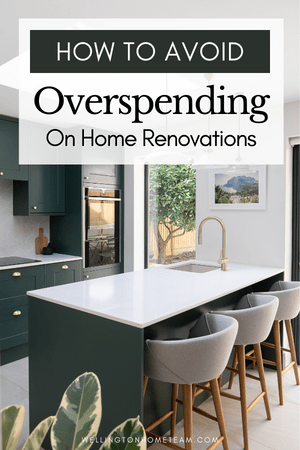
Separate from what you renovate is how well you manage the cost of doing it, and this is where a lot of homeowners lose control of their budget. Change orders add up quickly once a project is underway. Financing a renovation without a clear repayment plan can turn a home improvement into a long-term financial burden. Taking on multiple projects simultaneously often means none of them get the attention or budget they need.
A step-by-step renovation checklist helps keep a project on budget and on track. Leave 10 to 20 percent of the budget unallocated for the unforeseen, since it’s rare for a renovation to come in exactly as planned. Keeping receipts, warranties, and before-and-after photos also makes life easier down the line, whether for insurance, resale, or simple peace of mind.
What to do instead: Get multiple contractor estimates and work from the average, not the lowest bid, and tackle one project at a time when possible.
7. Eliminating Bedrooms and Bathrooms
Reducing the number of bedrooms or bathrooms to enlarge another room can feel like a smart use of space, but it typically hurts resale value. Buyers searching in a given price range often filter by bedroom and bathroom count, so dropping below that threshold can shrink your pool of future buyers.
The same applies to converting a bathtub into a shower-only bathroom. It can eliminate buyers who want a tub, particularly families with small children.
8. Not Learning Your Home’s Systems
One of the most overlooked mistakes doesn’t cost money upfront, but it can cost plenty during an emergency. Many new homeowners move in without knowing where their home’s essential systems and shutoffs actually are, and that’s information you don’t want to be searching for during a burst pipe or an electrical issue.
Take an afternoon early on to locate and note the main water shutoff, the electrical panel, the AC shutoff, the water heater shutoff, the gas shutoff if applicable, irrigation controls, and attic or roof access. Keep HOA documents and appliance manuals and warranties somewhere easy to find rather than buried in a folder from closing day.
Know When to Call a Professional
Knowing your home’s systems doesn’t mean handling every repair yourself. Certain jobs, especially electrical and plumbing work, should always go to a licensed professional. Cutting corners here to save money often costs more to fix later, and getting wiring wrong isn’t just expensive, it’s a safety risk.
What New Homeowners Should Do After Closing
- Locate all major shutoffs: water, electrical, gas, and AC
- Change HVAC filters and schedule an AC service
- Test smoke and carbon monoxide detectors
- Review the age of major systems and appliances
- Save appliance manuals and warranties in one place
- Change the locks and reprogram garage door remotes
- Build a simple home maintenance calendar
- Start a dedicated repair and replacement fund
Final Thoughts
Most of the mistakes new homeowners make come down to the same root cause: underestimating the ongoing cost and responsibility of owning a home, whether that’s an emergency fund, routine maintenance, or knowing where the water shutoff is before you actually need it. None of these are complicated to avoid once you know to plan for them.
If you’ve recently closed on a home in Wellington, Florida or the surrounding area, and want guidance on maintenance, renovations, or what to prioritize first, feel free to reach out. And if you’re still weighing what buyers wish they’d known sooner, our article on what buyers regret after closing is worth a read too.
Please consider spreading the word and sharing; 8 BIG New Homeowner Mistakes to Avoid After Closing
Avoid these 8 costly mistakes new homeowners make after closing, from skipping an emergency fund to overspending on renovations. #realestate #homebuying
About the Author
Top Wellington Realtor, Michelle Gibson, wrote: “8 BIG New Homeowner Mistakes to Avoid After Closing”
Michelle has been specializing in residential real estate since 2001 throughout Wellington Florida and the surrounding area. Whether you’re looking to buy, sell or rent she will guide you through the entire real estate transaction. If you’re ready to put Michelle’s knowledge and expertise to work for you call or e-mail her today.
Areas of service include Wellington, Lake Worth, Royal Palm Beach, Boynton Beach, West Palm Beach, Loxahatchee, Greenacres, and more.