
Financial Tips for First-Time Homebuyers
Purchasing your first home is an exhilarating milestone, a step toward independence, security, and a space to call your own. Most of the attention in that process goes toward finding the right home and making a competitive offer. But the financial groundwork you lay before you ever submit an offer often determines how smooth the rest of the process goes, and how comfortable you’ll be once you’re in the home.

Before you start touring homes, it helps to work through three separate questions: whether buying makes sense for you at all, whether you’re financially ready to buy, and what buying will actually cost. If you’re still weighing the first question, our guide to the benefits of owning a home is a good place to start.
This article focuses on the second question, getting your finances in order before you buy. Once you’re ready to make an offer, you’ll also want to understand the closing costs and fees Florida buyers pay before and at closing, and once you own the home, there’s a separate set of costs that can surprise first-time buyers during their first year of ownership.
Check Your Credit Score Early
Your credit score affects both whether you qualify for a mortgage and what interest rate you’re offered, so it’s worth checking well before you start house hunting, ideally several months in advance. That gives you time to address any errors on your credit report and make improvements if needed.
A few things that can meaningfully affect your score in the months before applying: pay down existing balances where you can, avoid opening new credit accounts or making large purchases on credit, and keep making every payment on time. Even small missteps, like a late payment on a card you forgot about, can affect your rate or loan approval, so it’s worth reviewing your full credit report rather than just your score.
Know the Difference Between What You’re Approved For and What You Should Spend

A lender may approve you for a maximum loan amount based on your income, debt, credit, assets, and other factors. That number isn’t the same as what you’ll actually be comfortable spending once you factor in property taxes, insurance, HOA fees if applicable, maintenance, and everyday life.
Many first-time buyers run into trouble not because they couldn’t qualify for their mortgage, but because they qualified for more house than fit comfortably into their broader budget.
Before you start touring homes, it’s worth working backward from a monthly payment that leaves room for everything else, rather than working forward from the maximum a lender approves.
Save for Your Down Payment and Closing Costs
How much you need to save depends heavily on your loan program, since some conventional loans allow down payments as low as 3%, and certain government-backed programs may allow eligible buyers to purchase with little to no down payment at all. But your down payment isn’t the only cash you’ll need on hand. Closing costs, inspections, and an appraisal typically come due before or at closing, on top of whatever you put down.
A realistic savings plan accounts for all of it together, not just the down payment in isolation. Setting up a dedicated savings account for your home purchase, separate from your everyday spending, can make it easier to track progress and avoid dipping into those funds for other things.
Get Pre-Approved, Not Just Pre-Qualified
Pre-qualification and pre-approval sound similar, but they’re not the same thing. Pre-qualification is a quick, informal estimate based on information you provide the lender yourself. Pre-approval involves the lender actually verifying your income, assets, and credit, typically by reviewing recent pay stubs, tax returns, bank statements, and documentation on any existing debt, and it results in a conditional commitment for a specific loan amount.
In a competitive market, and much of Palm Beach County can be exactly that, a pre-approval letter shows sellers you’re a serious, financially qualified buyer and gives you a much clearer picture of what you can actually afford. Getting your documentation organized ahead of time also speeds up the process considerably once you’re ready to apply.
Avoid These Moves Before Closing
Once you’re pre-approved, it’s tempting to relax, but several common financial moves can jeopardize your approval between pre-approval and closing. Lenders typically re-verify your financial picture right before closing, and changes can affect or even derail your loan.
Avoid opening new credit accounts, financing a car, making large purchases on credit, or changing jobs without talking to your lender first. It’s also worth avoiding large, undocumented transfers between accounts, since lenders generally want a paper trail for significant deposits.
Understand Your Debt-to-Income Ratio
Lenders look closely at your debt-to-income ratio, or DTI, which compares your monthly debt payments to your gross monthly income. A lower DTI generally makes it easier to qualify for a mortgage and can improve the terms you’re offered.
Before you apply, it’s worth calculating your own DTI and seeing where you stand. Paying down credit cards, auto loans, or other recurring debt in the months before you apply can meaningfully improve your ratio, and in turn, what a lender is willing to offer you.
Explore First-Time Buyer Loan Programs
Depending on your situation, you may qualify for loan programs specifically designed to help first-time buyers, including options with reduced down payment requirements, down payment assistance programs, or loans backed by agencies like the FHA, VA, or USDA. Many state and local housing authorities also offer their own first-time buyer assistance.
It’s also worth knowing that “first-time buyer” often has a broader definition than it sounds, sometimes including someone who hasn’t owned a home within the past few years. The exact definition depends on the program, so it’s worth asking rather than assuming you don’t qualify. Eligibility and terms vary and change over time, so it’s worth speaking directly with a mortgage professional about what you currently qualify for rather than assuming a program you’ve heard about still works the way it used to.
Build a Reserve Into Your Plan, Not Just a Down Payment
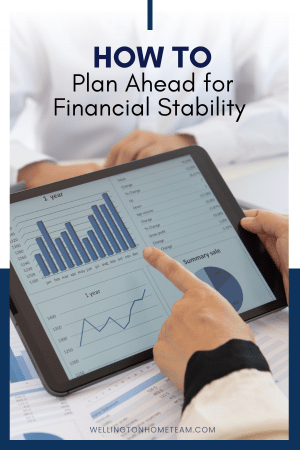
It’s tempting to put every available dollar toward the down payment to lower your monthly payment, but that can leave you financially stretched the moment you’re actually a homeowner.
A stronger plan sets aside a cash reserve, separate from your down payment and closing costs, that’s available once you move in.
The money you have available at closing isn’t the same thing as money you can afford to spend. Buyers who’ve saved a reserve are in a much better position to handle the kind of unexpected first-year costs that catch other buyers off guard.
Frequently Asked Questions
How far in advance should I check my credit before buying a home? Ideally, at least three to six months before you plan to apply for a mortgage, so you have time to correct any errors and make improvements if needed.
What’s the difference between pre-qualification and pre-approval? Pre-qualification is an informal estimate based on information you self-report. Pre-approval involves the lender verifying your income, assets, and credit, and results in a conditional loan commitment, which carries far more weight with sellers.
What debt-to-income ratio do I need to buy a home? Requirements vary by lender and loan program, but a lower DTI generally improves both your approval odds and the terms you’re offered, so it’s worth paying down debt where you can before applying.
Do first-time buyer loan programs still exist? Programs come and go and eligibility requirements can change, so it’s best to talk with a mortgage professional about what’s currently available rather than relying on outdated information.
How much should I save beyond my down payment? Beyond your down payment, plan for closing costs, inspections, an appraisal, and ideally a cash reserve for the months right after you move in, since those first-year costs are often the ones buyers underestimate.
Final Thoughts
Buying your first home is a major financial commitment, and the preparation you do before you start house hunting often matters more than any single decision you make during the search itself.
In short: check your credit early, save for more than just the down payment, get properly pre-approved rather than just pre-qualified, avoid new debt between approval and closing, and keep a reserve in place once you close. That preparation gives you a much stronger position, both with sellers and with your own long-term finances.
Please consider spreading the word and sharing; Financial Tips for First-Time Homebuyers
Practical financial tips for first-time buyers: what to check, save for, and avoid before you're ready to start house hunting. #realestate #homebuyingAbout the Author
Top Wellington Realtor, Michelle Gibson, wrote: “Financial Tips for First-Time Homebuyers”
Michelle has been specializing in residential real estate since 2001 throughout Wellington Florida and the surrounding area. Whether you’re looking to buy, sell or rent she will guide you through the entire real estate transaction. If you’re ready to put Michelle’s knowledge and expertise to work for you call or e-mail her today.
Areas of service include Wellington, Lake Worth, Royal Palm Beach, Boynton Beach, West Palm Beach, Loxahatchee, Greenacres, and more.