
What Moving Tips Are Actually Useful? 9 Game-Changing Tips
After helping hundreds of buyers and sellers relocate throughout Palm Beach County since 2001, I’ve seen which moving tips people actually use, and which internet “hacks” rarely hold up in practice. Relocating to an entirely different location can be complicated, especially if your move has a deadline. About 12% of Americans move each year, according to the U.S. Census Bureau, and between researching movers, packing carefully, and keeping track of a dozen small tasks, it’s easy to feel like you’re forgetting something.
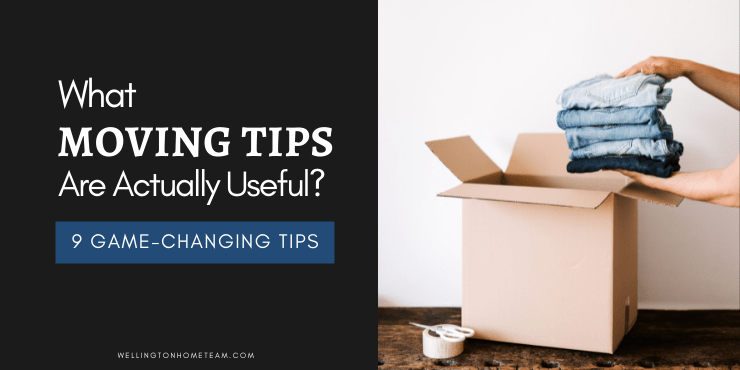
This isn’t a checklist, it’s the practical moving tips, tricks, and packing hacks that actually make a difference once you’re in the middle of a move. If you still need the full step-by-step checklist, see our complete moving checklist first, then come back here for the moving advice that makes each step easier. Whether you’re moving across town or across the country, these practical moving tips can help you save time, reduce stress, and avoid common mistakes.
Quick Moving Tips
If you’re short on time, these are the moving tips that save the most:
- Book Movers 4 to 8 Weeks Early
- Declutter Before Packing
- Label Every Box by Room
- Pack an Essentials Box
- Photograph Electronics Before Unplugging
- Use Small Boxes for Heavy Items
- Keep Valuables and Documents With You
- Schedule Utility Transfers Early
Best Moving Tips and Packing Hacks
Before You Pack
1. Research and Hire the Right Moving Company
Professional movers can make your relocation faster and far less stressful, but finding the right one takes real research, not just the first search result. Read customer reviews to see how a company actually handles problems, since anyone can call themselves a moving company online when the reality is one or two guys with a small truck.
- Get quotes from at least three or four companies rather than settling on the first one
- Compare pricing alongside how long each company estimates the job will take
- Read the fine print on damage and refund policies before you sign anything
Our guide to choosing a moving company and a company like Suddath(opens in new tab) are both good starting points.
2. Build a Plan and a Timeline
A generic checklist is a good starting point, but your own list, built around your specific move, catches things a generic one won’t. A simple to-do list template(opens in new tab) works fine for this, and keeping documents together as you go, your lease, your movers’ contract, and anything else you’ll need quick access to, saves you from digging through the whole house later.
- Timeline by home size: A studio or one-bedroom usually takes about two days to pack, a two-bedroom closer to four days, and larger homes need more time still. One mistake I see repeatedly is homeowners waiting until the last weekend to pack, which often causes delays that ripple into closing day.
- Give yourself time to adjust mentally, too: moving is genuinely stressful, and accepting that early tends to help more than pretending it won’t be. It’s impossible not to feel some stress when you’re shifting your life to another home, but getting enough sleep during the process and sticking to a consistent routine makes every task feel more manageable.
3. Declutter Before You Pack
Figure out what’s coming with you and what isn’t. Items still in good shape can go toward a garage sale, and the rest can be disposed of or donated to lighten your load and your bill. Fewer belongings means less to pack, less to unpack, and less to pay for on moving day. A little ruthlessness helps here, if you haven’t seen or used something in years, it’s a strong candidate to go.
4. Handle Utilities and Home Logistics
Gas, phone, cable, and internet all need a firm shutoff date, they don’t turn off automatically the day you leave. Give the relevant companies at least a week’s notice, and have remotes, cable boxes, routers, and cords ready to return so the transfer goes smoothly. It’s also worth measuring your largest furniture along with the doorways, hallways, and stairwells in your new home before moving day, discovering the sofa doesn’t fit through the front door is a frustrating (and avoidable) surprise to have with a truck full of movers waiting outside.
Packing Tips
5. Be Resourceful Getting Moving Boxes
Free boxes are one of the easiest ways to cut moving costs. Local grocery and liquor stores often have used boxes they’re happy to give away, just ask. Choose boxes with minimal wear, since torn or weak boxes increase the risk of something breaking in transit. For a full list of places to look, see our guide to finding free and cheap moving boxes. And don’t overfill what you do have, boxes break because people pack them too heavy, not because the cardboard is weak. If you can’t comfortably lift a box, split the contents across two.
6. Pack Smart by Category
Different items need different handling, and a little extra care up front saves you a broken lamp or a scratched TV later.
- Electronics: sensitive components don’t handle bumps and jolts well. Check the attic or basement for original boxes first, or use bubble wrap, strong tape, and comforters or towels as substitutes. Photograph the wiring setup before you unplug anything, TV, Wi-Fi router, gaming systems, so you’re not guessing which cable went where later.
- Heavy vs. light items: use smaller boxes for dense items like books, gym weights, or tools, and save large boxes for lighter things like blankets, pillows, and bedding. This will enable the professional movers(opens in new tab) to lift and load them more easily too.
- Decorations and fragile items: pack heavier decorations at the bottom of a box and lighter, breakable ones on top. Paintings should be packed separately to protect the surface, and lamps are worth disassembling so delicate components don’t break loose in transit.
7. Label Every Box
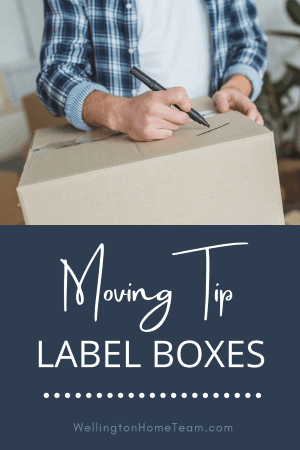 Clear labels help you find what you need immediately instead of opening five boxes to find one item. Include the room each box belongs in, it makes loading easier for professional movers(opens in new tab) and unloading easier for you.
For an extra layer of clarity, assign each room a color, blue for kitchen, green for bedroom, yellow for office, with matching tape or stickers, so boxes land in the right room at a glance. If you’re shipping a vehicle as part of your move, our guide to transporting your vehicle covers that piece separately, and it’s worth comparing a few providers to get the best car shipping quotes(opens in new tab) before you book.
Moving Day Tips
8. Pack an Essentials Kit
Pack one clearly labeled box with everything you’ll need for the first 24 hours in your new home: medications, phone chargers, toilet paper, a coffee maker if you need one to function, pet food, toiletries, a couple of towels, and a change of clothes for everyone in the household. This box rides with you, not on the truck. It’s also worth setting aside a small cleaning kit, paper towels, all-purpose cleaner, garbage bags, and a broom, so you’re not digging through boxes to wipe down a counter on day one.
9. Keep Valuables and Important Documents With You
Jewelry, cash, passports, birth certificates, and prescription medication shouldn’t go on the moving truck. Keep these with you personally throughout the move, the same way you’d carry them on a flight rather than checking them as luggage.
What to Pack Early vs. Pack Last
| Item | Pack Early | Pack Last |
|---|---|---|
| Holiday decorations | Yes | |
| Books | Yes | |
| Daily dishes | Yes | |
| Toiletries | Yes | |
| Coffee maker | Yes | |
| Phone chargers | Yes |
Frequently Asked Questions
How can I make moving easier?
Follow the tips above, but the best overall advice is simply staying organized. Keep lists, keep notes, and check things off as you go so nothing falls through the cracks.
When should I start packing?
It depends on how much you own. A lightly furnished studio needs less lead time than a large, fully furnished home. On average, most people start packing around 90 days out, beginning with items they don’t use regularly and paring down further each week.
When should I hire a moving company?
As soon as you have a confirmed move date. It can take weeks or even months to find the right company, especially during peak season, so the sooner you start requesting quotes, the better your options.
How much will moving cost?
Cost depends on distance, the size of your move, any additional services you need, and which company you choose. Get quotes from a few companies and make sure you’re comparing the same services across each one, not just the bottom-line number.
Should I hire professional movers or do it myself?
It largely comes down to time versus money. Professional movers cost more but save you time and physical effort, while a DIY move costs less but takes more planning and manpower on your end.
What should I do with items I don’t want to bring to my new home?
Sell, donate, or give them away rather than paying to move things you don’t need. See our full decluttering guide for a room-by-room approach.
Is moving insurance necessary?
Moving companies typically include basic liability coverage, but it’s often minimal. For valuable or fragile items, it’s worth asking your mover or your own insurance provider about additional coverage options.
How do I change my address and notify important parties?
Start with the post office, then work through banks, insurance providers, subscriptions, and the DMV. See our complete change of address checklist for the full list of who to notify.
How can I make unpacking more efficient?
Label boxes clearly, unpack essentials first, and work through one room at a time rather than jumping around. Starting with high-traffic areas like the kitchen and bedrooms gets you functional faster.
What should I do if problems come up during the move?
Stay calm and communicate directly with the moving company. Document any damage with photos right away, and address issues promptly, escalating to the company’s claims process or seeking legal advice if it isn’t resolved.
What should you pack first?
Items you don’t use daily, seasonal decorations, off-season clothing, books, and guest room items are all safe to box up weeks ahead of your move.
What should you pack last?
Daily essentials: toiletries, phone chargers, a few days of clothing, dishes you’ll actually use, and anything else you need right up until moving day.
What should you never pack on a moving truck?
Jewelry, cash, passports, birth certificates, and prescription medication should stay with you personally, not on the truck.
What is the hardest room to pack?
The kitchen tends to top the list, between fragile dishes, small appliances, and the sheer number of items packed into a small space. The garage is a close second simply because of how much tends to accumulate there over time.
What should be in a first-night box?
Medications, phone chargers, toilet paper, toiletries, a change of clothes, and anything else you’d need before your first full day in the new home.
Final Thoughts
These moving tips won’t eliminate every challenge, but they can help you avoid many of the mistakes that make moving more stressful than it needs to be. A little planning, thoughtful packing, and staying organized can save time, money, and frustration from the day you start packing until you’re settled into your new home. If your move is tied to buying or selling a home, our home buying checklist and guide to preparing your home for sale are worth a look too.
Please consider spreading the word and sharing; What Moving Tips Are Actually Useful? 9 Game-Changing Tips
The moving tips and hacks that actually make a difference, from choosing movers to packing electronics and everything in between. #moving #packingAbout the Author
Wellington Realtor Michelle Gibson wrote this guide to share the moving tips that actually hold up in practice, not just on paper.
Relocating to Wellington Florida? Michelle has been specializing in residential real estate since 2001 throughout Wellington Florida and the surrounding area. Whether you’re looking to buy, sell, or rent she will guide you through the entire real estate transaction. If you’re ready to put Michelle’s knowledge and expertise to work for you, call or e-mail her today.
Areas of service include Wellington, Lake Worth, Royal Palm Beach, Boynton Beach, West Palm Beach, Loxahatchee, Greenacres, and more.