
Renovation Shortcuts That Can Cost You When You Sell
The cheapest way to complete a renovation isn’t always the cheapest way to own a home. A shortcut that saves money during construction can create questions years later when an inspector, appraiser, insurance company, or buyer takes a closer look. None of the shortcuts below are illegal, and most homeowners who choose them aren’t trying to cut a corner maliciously. They’re trying to save time and money on a project that already costs enough.

Most of these shortcuts fall into one of three categories: covering a problem instead of fixing it, skipping the proper permitting and inspection process, or applying a cosmetic fix to something that needed a structural one. Here’s what each looks like in practice, and what it can mean when you’re ready to sell.
Covering a Problem Instead of Fixing It
This is the most common category, and it covers exactly what it sounds like: installing a new surface directly over an old one instead of removing what’s underneath first.
Roofing over an existing roof. Tearing off an old shingle roof and hauling away the debris is expensive and disruptive, so some homeowners have a new layer of shingles installed directly over the old ones instead. It’s faster and cheaper up front, and in many places it’s allowed by code. The tradeoff is that a second layer can create an uneven surface, since imperfections in the old shingles often show through the new ones, and it adds weight the structure has to carry.
It can also make it harder for a roofer to properly inspect the deck underneath, and depending on the shingle manufacturer and the specific product, a second layer can affect what’s covered under warranty. Florida insurers may require additional documentation or inspection of aging asphalt shingle roofs, and a roof installed over an existing layer can raise additional questions during that review, particularly if a buyer needs to secure new coverage before closing.

Tiling over old tile. Skipping demolition has real appeal: no dust, no dumpster, no delay. The tradeoffs show up later. A second layer of tile can raise the floor height enough to affect door clearance, transitions between rooms, or whether appliances slide out easily for repair. It also adds additional dead load to the existing floor structure, which may matter depending on the construction and condition of the floor.
Most importantly, it can make it harder to know what condition the original tile and substrate were in when the new layer went down, whether that’s poor adhesion, cracked grout, or moisture that hadn’t been addressed. Problems like that don’t go away under a new layer. They tend to surface later, sometimes during a buyer’s home inspection and sometimes after.
New flooring installed over damaged subfloor. Carpet, laminate, or vinyl installed directly over a subfloor with existing water damage or soft spots looks fine on day one, but the underlying issue is still there. It tends to become apparent later through movement in the floor, a soft spot underfoot, or continued moisture damage that the new flooring was never meant to address.
Skipping the Proper Process
The second category isn’t about hiding a surface. It’s about skipping the permits and inspections that are supposed to happen along the way.
Unpermitted renovations. Additions, electrical work, plumbing changes, and structural modifications done without a permit can become significant issues during a sale. Unpermitted square footage or improvements may not receive the same consideration as permitted work in an appraisal, which can affect how the property is valued.
Lenders can also be hesitant to finance a home with open or missing permits, and buyers often use unpermitted work as leverage to negotiate repairs after a home inspection once it surfaces. A home may sometimes be sold with unpermitted work still in place, but the work may still need permits, inspections, or other resolution depending on the circumstances, and that’s worth understanding before you list.
DIY electrical and plumbing work. Even functional electrical or plumbing work that wasn’t completed or permitted according to applicable requirements can raise questions during a four point inspection or an insurance underwriting review, separate from whether the work itself was done well.
A Cosmetic Fix for a Structural Problem
The third category is the one that concerns buyers most, because it involves a fix that addresses how something looks without addressing what caused it.
Painting over water stains or damaged drywall. A fresh coat of paint can make a stained ceiling or a patched wall look brand new, but it doesn’t tell you whether the leak or the damage behind it was actually repaired. Sellers who use paint to mask a known issue rather than disclose it can run into seller’s disclosure problems later, because Florida sellers generally have a duty to disclose known facts that materially affect the value of a property and aren’t readily observable to the buyer.
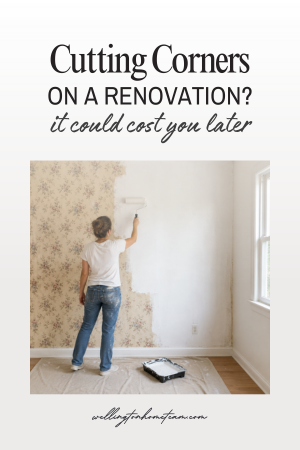
Painting over wallpaper. This shortcut is common in older Wellington homes that still have wallpaper in a bathroom, kitchen, or accent wall. Removing it properly means stripping, patching, and skim coating the wall, which takes real time, so painting over it can look like a faster path to a fresh room. It can work under the right conditions: the paper needs to be smooth, fully adhered, not vinyl backed, and in a dry room.
Outside of those conditions, seams tend to show through no matter how many coats go on, and paint’s surface tension can pull at adhesive that seemed fine at first. If you’re preparing a home for sale, removing wallpaper generally produces a cleaner, more finished result than painting over it.
Why This Matters When You Sell
The thread running through all of these examples is timing. A shortcut taken today isn’t evaluated on the day you take it. It gets evaluated later, when an inspector walks through with a flashlight, when an insurance underwriter reviews your roof’s age and history, or when an appraiser tries to determine what to credit for a renovated space. A decision that felt reasonable during the project can become a negotiating point during a sale, and in some cases it’s part of the reason buyers walk away after an inspection altogether, simply because it’s being looked at by people whose job is to evaluate different aspects of the home more closely than the average buyer would.
None of this means every shortcut has to be undone before you sell. If you’ve already covered a roof, tiled over tile, painted over wallpaper, or completed work without a permit, the more useful move is documentation: keep any permits, contractor invoices, or inspection reports you have, and be upfront about the work when you list. A pre-listing home inspection can also help you spot and address issues before a buyer’s inspector finds them. Disclosed shortcuts are generally easier to address than problems a buyer discovers unexpectedly during an inspection.
FAQ
Can a renovation shortcut affect the sale of my home?
Yes. Work that was done by covering a problem, skipping a permit, or applying a cosmetic fix instead of a repair can surface during a buyer’s inspection, an appraisal, or an insurance review, and it often becomes a point of negotiation rather than a reason the sale falls through.
Is it a problem to install a new roof over old shingles?
It’s often allowed by code, but it can affect roof warranties and may raise additional questions during an insurance review, particularly for an older roof or a buyer who needs to secure new coverage.
Does unpermitted work have to be disclosed when selling a home?
Generally, yes. Sellers typically have a duty to disclose known facts that materially affect a property’s value and aren’t readily observable to the buyer, and unpermitted work a seller is aware of usually falls into that category.
What should I do if I already cut a corner like this in my home?
Start by gathering whatever documentation you have, such as permits, contractor invoices, or past inspection reports, and plan to disclose the work when you list. A shortcut that’s already on the table is generally easier to work through than one a buyer discovers during their own inspection.
Final Thoughts
Cutting corners on a renovation almost always makes sense in the moment. It’s cheaper, it’s faster, and the finished result usually looks fine. The catch is that a home eventually gets reviewed by people whose job is to evaluate different aspects of it more closely than the average buyer would: inspectors, appraisers, and insurance underwriters. Before you choose the faster path on your next home renovation before selling, it’s worth asking not just whether it will look good next month, but whether it will hold up to that kind of review a few years from now.
Please consider spreading the word and sharing; Renovation Shortcuts That Can Cost You at Resale
Renovation shortcuts can save money today but create inspection, insurance, and negotiation problems when you sell your Wellington home. #renovationmistakes #homeselling
About the Author
Top Wellington Realtor, Michelle Gibson, wrote: “Renovation Shortcuts That Can Cost You at Resale”
Michelle has been specializing in residential real estate since 2001 throughout Wellington Florida(opens in new tab), and the surrounding area. Whether you’re looking to buy, sell, or rent she will guide you through the entire real estate transaction. If you’re ready to put Michelle’s knowledge and expertise to work for you call or e-mail her today.
Areas of service include Wellington, Lake Worth, Royal Palm Beach, Boynton Beach, West Palm Beach, Loxahatchee, Greenacres, and more.