
Wellington FL Home Appraisal Guide for Buyers and Sellers
If you are buying, selling, or refinancing in Wellington, Florida, understanding the appraisal process can help you avoid surprises and make better decisions. A home appraisal can directly impact financing, negotiations, and whether a deal moves forward on schedule. Whether you are preparing to list your property, purchasing your next home, or trying to understand value in today’s market, this guide explains what to expect and how to prepare.

Wellington appraisals can be more complex than many buyers and sellers expect. Local properties vary widely from equestrian estates with acreage to lakefront lots in communities like Olympia, Versailles, and Grand Isles. These differences can significantly affect property value and how appraisers select and interpret comparable sales.
A home appraisal is not just a box to check during a real estate transaction. It is one of the most important value opinions involved in the process because lenders rely on it, buyers react to it, and sellers often have to respond to it. If a value comes in lower than expected, it can create contract issues, financing challenges, and a need for quick decisions. That is why it helps to understand the process before the appraiser ever arrives.
- Typical cost: $350 to $650 for many standard residential properties
- Typical turnaround: 5 to 14 days depending on property type, demand, and lender timelines
- Typical validity period: 90 to 120 days in many lending situations
- Who orders it: Usually the buyer’s lender in a financed transaction
- Who pays: Usually the buyer as part of closing costs
- Purpose: To verify the property’s market value before the lender approves financing
On This Page
Here’s a quick overview of what to expect:
- What is a Home Appraisal?
- The Purpose of Home Appraisals
- Who Conducts Home Appraisals?
- Who Hires the Home Appraiser?
- The Home Appraisal Process
- What Is an Appraisal Gap?
- What Appraisers Usually Don’t Care About
- Wellington-Specific Considerations
- Factors Influencing Home Appraisals
- Tips for a Successful Home Appraisal
- Appraisal Alternatives
- Wellington Home Appraisal FAQ
What is a Home Appraisal?
A home appraisal is a professional opinion of a property’s current market value prepared by a licensed or certified real estate appraiser. In most residential transactions, the appraisal is used by a lender to confirm that the home supports the amount being financed. While buyers and sellers often focus on the contract price, lenders focus on risk, and a home appraisal helps them decide whether the property justifies the loan amount.
Appraisals are meant to be independent and unbiased. They are not based on what a buyer hopes the home is worth or what a seller wants it to be worth. Instead, the appraiser carefully evaluates the property, studies recent comparable sales, reviews condition and features, and forms a supported opinion of value. This opinion can support the contract price — or create challenges if it comes in lower than expected.
Buyers and sellers should not confuse an appraisal with a real estate agent’s pricing analysis. An agent prepares a comparative market analysis (CMA) to suggest a list price or offer strategy. An appraiser, however, creates a more formal valuation report used mainly for lending purposes. Understanding the difference between CMA and appraisal helps explain why the two opinions can vary.
The Purpose of Home Appraisals
Home appraisals serve multiple purposes in real estate, lending, and financial planning. In Wellington, appraisals are common not only in home purchases but also in refinances, estate matters, and other situations where an accurate property value is needed. Understanding the reason behind the appraisal helps explain why the report matters so much.
- Buying or Selling: Buyers usually rely on a home appraisal to determine whether the price is supported by market value, while sellers may use the process to validate their asking price and avoid financing issues.
- Securing Financing: If a buyer is obtaining a mortgage, the lender uses a home appraisal to make sure the property being used as collateral supports the requested loan amount.
- Refinancing: Homeowners who refinance are often required to complete a home appraisal so the lender can assess the current value and determine the new loan terms.
- Divorce: In divorce cases, a home may need to be appraised for equitable distribution of assets. Appraisers in these situations are expected to remain neutral and provide an unbiased valuation.
- Estate Planning: Appraisals are often useful when distributing assets among heirs or documenting a property’s value as part of estate administration.
- Renovation and Improvement Decisions: Homeowners can benefit from a home appraisal when planning upgrades or evaluating whether past improvements have added meaningful value.
For buyers and sellers, the financing purpose is often the most immediate concern. A contract can look perfectly fine on paper until the appraisal report arrives. When the value is lower than the agreed purchase price, the parties may have to renegotiate, adjust financing, or determine who will cover the difference.
Who Conducts Home Appraisals?
Home appraisals are typically conducted by certified and licensed real estate appraisers. These professionals complete specialized education, meet experience requirements, and follow state licensing requirements and federal appraisal standards. Their role is to analyze property data objectively and provide an informed opinion of value based on market evidence.
Appraisers are not advocates for the buyer, seller, or lender. Their job is to remain independent and support their conclusions with documented research. In most residential transactions, the appraiser will inspect the home, review its condition and features, analyze comparable sales, and prepare a written report that explains how the final value opinion was reached.
There are different types of appraisers, including residential, commercial, general, and specialized appraisers. In a market like Wellington, specialization can matter. Standard suburban homes may be easier to compare, but properties with barns, acreage, lakefront settings, guest houses, or high-end upgrades can require more careful analysis and truly comparable sales.
Who Hires the Home Appraiser?
Who hires the appraiser depends on the reason for the home appraisal. In a typical home purchase involving financing, the lender orders the appraisal after the buyer applies for the mortgage and the parties are under contract. Although the buyer usually pays for the home appraisal as part of the loan process, the lender orders it to protect its own lending position and to maintain independence in the valuation process.
That distinction is important because many buyers assume they are directly hiring the appraiser when they pay the fee. In reality, the lender is usually the client for the report in a financed transaction, while other situations can involve homeowners, attorneys, estate representatives, or divorcing spouses. Knowing who hires the home appraiser helps clear up one of the most common questions buyers and sellers have early in the process.
The Home Appraisal Process
Understanding the home appraisal process helps buyers and sellers know what to expect and where issues can arise. While each assignment is a little different, most residential appraisals follow the same basic structure.
1. Ordering the Appraisal
In most financed home sales, the appraisal is ordered after the buyer is under contract and the loan process is underway. Timing matters because the lender usually wants enough time to receive and review the report before final loan approval. If the report comes in late or needs revisions, that can affect closing.
2. Hiring an Appraiser
The lender typically orders the appraiser directly or through an appraisal management company. This process is designed to support appraiser independence. Neither the buyer nor seller usually gets to choose the appraiser in a lender-required transaction.
3. Property Inspection
For a traditional appraisal, the appraiser visits the property in person and conducts a visual inspection. They assess the size, layout, overall condition, upgrades, site characteristics, and any obvious issues that may affect value. They will usually take interior and exterior photos and make notes about features that distinguish the home from nearby sales.
This is also where presentation can matter. An appraiser is not judging décor the same way a buyer does, but visible deferred maintenance, unfinished repairs, damaged flooring, roof issues, or poor overall condition can influence how the home compares to other recent sales.
4. Research and Analysis

After the inspection, the appraiser researches comparable sales (often called “comps”), along with pending sales, tax records, maps, and other market data. The goal is to find recently sold homes that are similar in location, size, age, style, condition, and features. The appraiser then makes adjustments for any differences between those homes and the subject property.
In Wellington, choosing the right comps is especially important. Not every lakefront lot is the same. Not every gated community commands the same premium. Equestrian-oriented homes often need different comparisons than standard subdivision homes. The same applies in non-gated communities such as Sugar Pond Manor, Greenview Shores, and Eastwood, where lot placement, upgrades, and views can greatly influence buyer appeal. Using the wrong sales can result in a value that does not reflect how the market truly sees the property.
5. Value Determination
Once the data has been gathered and analyzed, the appraiser reaches a final opinion of market value. That conclusion is based on the property inspection, the comparable sales analysis, and local market conditions. The value is not a random number and should be supported by evidence in the report.
6. Report Generation
The appraiser then compiles the findings into a report that includes property details, photographs, maps, comparable sales, adjustments, and the final value conclusion. The report explains how the appraiser reached that opinion and is delivered to the client, which in most financed purchases is the lender.
7. Delivery to the Lender
Once the report is complete, the lender reviews it to confirm it meets underwriting requirements. Sometimes the lender asks for clarification or revisions, especially if there are inconsistencies, condition issues, missing data, or questions about the comparable sales selected.
8. Review and Possible Dispute
If the appraisal matches or exceeds the contract price, the transaction usually continues as planned. If the value comes in lower than expected, the parties have decisions to make. Buyers may need to renegotiate the price, increase their down payment, or determine whether they can bridge the gap. Buyers may decide to dispute the report if they believe the appraiser missed stronger comparable sales or overlooked upgrades.
When the value comes in short, buyers and sellers need to understand what happens when a home doesn’t appraise, so they can respond quickly and decide whether to renegotiate, challenge the report, bring in additional funds, or cancel the contract if allowed.
Working with accurate pricing, strong comparable sales, and realistic expectations from the start can make appraisal issues easier to navigate.
What Is an Appraisal Gap?
An appraisal gap occurs when a home’s appraised value comes in lower than the contract price. For example, if a home is under contract for $600,000 but appraises for $575,000, the appraisal gap is $25,000. The lender will base financing on the lower appraised value, not the contract price, so that difference must be resolved before closing.
Common ways buyers and sellers resolve an appraisal gap include:
- The seller reduces the purchase price
- The buyer covers the difference with additional cash
- Both parties split the gap
- A reconsideration of value is requested through the lender
- The contract is canceled if an appraisal contingency applies
For a full breakdown of every option and how the process works, see the dedicated guide on what is an appraisal gap and what happens when a home doesn’t appraise.
What Appraisers Usually Don’t Care About
Understanding what appraisers focus on is just as useful as knowing what they ignore. Appraisers focus on the property itself, including condition, size, location, features, and comparable sales. These items generally do not affect appraised value on their own:
- Furniture style or personal taste
- Temporary decorations or seasonal displays
- Expensive staging items or designer furnishings
- Personal belongings or clutter beyond how they affect condition assessment
- Minor cosmetic updates that do not change condition or functionality
Spending money on staging or decor specifically for the appraisal is generally not necessary and unlikely to affect the final value. What matters more is condition, comparable sales, location, renovations, square footage, and functional utility.
Wellington-Specific Considerations
Appraising a home in Wellington involves factors that go well beyond square footage and bedroom count. Local property characteristics can influence value in ways that are highly specific to this market. Buyers and sellers who understand these details are often better prepared when appraisal questions come up.
Wellington has been helping buyers and sellers navigate these appraisal complexities since 2001, and the same valuation challenges tend to come up repeatedly across different property types and market conditions. The most common ones include:
- Equestrian properties and acreage: Homes with barns, paddocks, riding arenas, or large acreage require comparable sales with similar land use and features, which are often in short supply. See equestrian estates for a sense of how this segment is structured locally.
- Lakefront and preserve lots: Not every water view or preserve setting carries the same premium. Lot placement, privacy, and view quality all influence how much of a premium is supportable by comparable sales.
- Flood zone considerations: Some properties fall in or near flood zones, which can affect insurance costs, buyer demand, and how the appraiser compares the subject property to nearby sales.
- Gated versus non-HOA communities: Buyer preferences vary significantly between guard-gated neighborhoods like Versailles and Olympia and non-HOA communities. Appraisers should use comparable sales from similar community types.
- Storm protection features: Impact windows, shutters, and reinforced garage doors can influence marketability and buyer demand, even when the dollar-for-dollar adjustment in the report is modest.
- Outdoor living spaces: Screened patios, covered lanais, summer kitchens, and private pool settings are part of the Florida lifestyle and carry varying levels of value depending on the neighborhood and what buyers are paying for those features in recent sales.
- Recently renovated homes: When a home has been significantly updated but nearby comparable sales have not, appraisers may struggle to find truly matching data, which can create gaps between contract price and appraised value.
Factors Influencing Home Appraisals
Several factors can influence the final appraised value of a home. Some are obvious, such as condition and location, while others are more subtle. Understanding what appraisers look at can help you better prepare and interpret the report.
1. Location
Location remains one of the strongest drivers of value. Appraisers consider the neighborhood, surrounding properties, school zoning, access to shopping and recreation, and the general appeal of the area. Even within Wellington, small location differences can affect price ranges significantly.
2. Property Condition
The appraiser evaluates the home’s overall condition, including maintenance, wear and tear, updates, and any visible defects. A clean, cared-for home with updated systems and finishes will typically compare more favorably than a similar home with deferred maintenance.
3. Comparable Sales
Recent comparable sales form one of the most important parts of the home appraisal report. The best comps are usually homes sold recently in the same neighborhood or a very similar competing area. They should match closely in size, age, design, and amenities. When few recent sales exist, the appraiser may need to look farther, which can allow more room for interpretation.
 4. Property Size and Features
Square footage, number of bedrooms and bathrooms, garage spaces, lot size, ceiling height, floor plan functionality, and major features all matter. Extras such as upgraded kitchens, remodeled baths, pools, and outdoor living areas may support value depending on the market.
5. Market Conditions
Appraisers also consider whether the local market is rising, stable, or softening. A hot seller’s market can push prices upward, while a slower market may support more conservative values. The timing of recent sales matters, especially if prices have shifted since those homes closed.
6. Renovations and Improvements
Not all renovations add the same amount of value. The quality of workmanship, design choices, and how well the improvements match the neighborhood all affect how much value they add. Updates such as kitchens, bathrooms, flooring, roofing, windows, and mechanical systems can support value. However, over-improving beyond what is typical for the neighborhood does not always deliver a full return.
7. Economic Conditions
Mortgage rates, employment trends, consumer confidence, and overall affordability can influence the local housing market and therefore appraised value. Appraisers may not discuss macroeconomics in detail, but those conditions often shape the comparable sales they use.
8. Zoning and Land Use
Zoning, land use restrictions, HOA regulations, easements, and property use limitations can all affect how the home is valued. This is particularly relevant with acreage, equestrian properties, guest houses, and homes with unique site characteristics.
Tips for a Successful Home Appraisal
Preparation can make a meaningful difference in how your home is presented and evaluated. Whether you are a seller, buyer, or homeowner refinancing, a few key steps can help the process go more smoothly.
For sellers, focus on completing visible repairs, making the home easy to access and evaluate, and providing the appraiser with a written list of major improvements including dates where possible. For buyers, understand that the appraisal is primarily for the lender and be prepared for how you will respond if the value comes in lower than the contract price. For homeowners refinancing, document upgrades and make sure the home is in good condition before the appointment.
For a full step-by-step walkthrough of how to get your home ready, including a preparation checklist, see the complete guide on how to prepare for a home appraisal.
Appraisal Alternatives
Traditional in-person home appraisals remain the standard in many transactions, but they are not the only valuation method used today. Depending on the property type, loan program, and lender requirements, there may be alternatives. Keeping these in mind is useful because not every buyer, seller, or homeowner will encounter the same type of valuation process.
Automated Valuation Models
Automated valuation models, often called AVMs, use algorithms and public data to estimate value. They can be useful for broad estimates, but they generally do not account for condition, layout, upgrades, or neighborhood nuances as well as a full appraisal.
Desktop Appraisals
Desktop appraisals are completed without an interior property visit. The appraiser relies on public records, MLS information, prior data, and available photos or documents to form an opinion of value. These are not appropriate in every situation, but they may be used when lender guidelines allow. Comparing a desktop vs in-person appraisal helps explain when each approach may make sense and where the limitations can show up.
Hybrid Appraisals
Hybrid appraisals combine data collection from one source with valuation analysis by the appraiser. The structure can vary, but the goal is usually to improve efficiency while still producing a supported value opinion.
Broker Price Opinions
A broker price opinion is typically prepared by a real estate agent or broker and can provide a useful estimate for pricing or non-lending purposes. However, it is not the same as a lender-required appraisal.
Wellington Home Appraisal FAQ
General Appraisal Questions
What is a home appraisal?
A home appraisal is a professional opinion of market value prepared by a licensed or certified appraiser, most often for lending purposes.
How is an appraisal different from a CMA?
A CMA is prepared by a real estate agent to estimate a likely list or offer price based on market activity, while an appraisal is a more formal valuation by a licensed appraiser. Both use comparable sales, but they serve different purposes.
Who chooses the appraiser in a financed transaction?
In most financed purchases, the lender or appraisal management company chooses the appraiser. Even if the buyer pays the fee, the lender usually orders the report.
Does a clean house help an appraisal?
A clean home will not directly increase value, but it can help demonstrate that the property has been well maintained, which can positively influence the condition rating.
Can home improvements increase appraised value?
Yes. Improvements such as kitchen remodels, bathroom updates, roof replacement, and major system upgrades may increase value, though rarely dollar for dollar. Documentation of those improvements helps the appraiser account for them properly.
Do appraisers look at pending sales?
Yes. While closed sales carry the most weight, appraisers may also review pending and active listings to understand current market conditions.
The Appraisal Process and Timeline
How long does a home appraisal take in Wellington?
The on-site visit usually takes anywhere from about 30 minutes to a couple of hours depending on the size and complexity of the property. The full report is often delivered within several business days, though turnaround time can vary based on appraiser availability, loan deadlines, and whether revisions are requested.
Can a buyer attend the appraisal?
Typically, buyers do not attend the appraisal appointment during a purchase transaction. More often, the listing agent or homeowner is present to provide access and answer questions. In non-sale situations, the homeowner is commonly present.
How should I get ready for appraisal day?
Focus on condition, accessibility, and documentation. Make repairs, tidy up, secure pets, and provide a clear list of major improvements.
Costs and Value in Wellington
How much does a home appraisal cost in Wellington, FL?
The cost depends on the type of property, loan program, and complexity of the assignment. Standard residential appraisals are usually less expensive than larger custom homes, acreage, waterfront, or equestrian properties, which often require more extensive analysis. Costs can vary, so getting a local quote is always smart for a more complex property.
 How do flood zones affect a home appraisal in Wellington?
Flood zones do not automatically lower value, but they can affect insurance costs, buyer demand, and how the appraiser compares the property to recent sales. A fair comparison usually requires looking at homes with similar flood-related characteristics.
How do equestrian features affect a home appraisal in Wellington?
Equestrian features can make valuation more complex because the appraiser needs truly comparable sales with similar land use, improvements, and buyer appeal. Specialized features may support value, but only if the market shows buyers are paying for them.
Do lake views or premium lots increase appraised value?
They can, but the amount depends on the neighborhood and how buyers reacted in comparable sales. Not every lake lot or preserve lot carries the same premium.
What Happens If the Appraisal Is Low
What happens if the appraisal is lower than the contract price?
A low appraisal can lead to renegotiation, a larger down payment from the buyer, a formal reconsideration of value request, or contract cancellation depending on the terms of the agreement.
What is an appraisal gap?
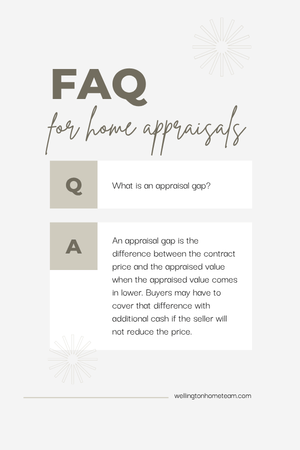
An appraisal gap is the difference between the contract price and the appraised value when the appraised value comes in lower. Buyers may have to cover that difference with additional cash if the seller will not reduce the price. For a full breakdown, see the guide on what is an appraisal gap.
Can a seller challenge a low appraisal?
Yes, but the challenge needs to be supported by facts. That may include stronger comparable sales, corrections to property details, or overlooked upgrades. A challenge is more effective when the request is specific and supported by market evidence.
Final Thoughts
Home appraisals are one of the most important steps in a real estate transaction because they influence financing, pricing, and negotiations. In Wellington, where neighborhoods, lot types, views, community structures, and property features can vary widely, understanding how home appraisals work is especially important. A well-supported valuation can keep a transaction moving, while a low or disputed value can require quick strategy changes.
Whether you are buying, selling, or refinancing, it helps to know what the appraiser is looking for, how local market conditions can influence value, and what your options are if the number comes in lower than expected. This Wellington home appraisal guide is designed to give buyers and sellers one central resource they can return to whenever appraisal questions come up during the process.
If you’re unsure how your home will appraise or how local factors may affect value, it helps to get clarity before making a move.
Need Help Understanding Home Value in Wellington?
If you are preparing to sell, evaluating pricing, or planning your next move, the Wellington Home Team can help you understand how local market conditions, comparable sales, and property-specific features may affect value. Reach out for practical guidance backed by Wellington market knowledge and real-world experience.
Please consider spreading the word and sharing: Wellington FL Home Appraisal Guide for Buyers and Sellers
Wellington FL home appraisal guide covering costs, timeline, value factors, low appraisals, and tips for buyers and sellers. #homeappraisal #wellingtonflAbout the Author
Top Wellington Realtor, Michelle Gibson, wrote this Wellington home appraisal guide for buyers and sellers.
Michelle has been specializing in residential real estate since 2001 throughout Wellington, Florida and the surrounding area. She has helped buyers and sellers navigate pricing, comparable sales, appraisal concerns, and contract decisions across a wide range of property types, including gated communities, lakefront homes, and equestrian-oriented properties.
Areas of service include Wellington, Lake Worth, Royal Palm Beach, Boynton Beach, West Palm Beach, Loxahatchee, Greenacres, and more.
This guide is for informational purposes only. For a formal valuation, consult a licensed appraiser or your lender.